

Tips to Prevent Coronavirus Spread – Dr. Medhat Abu Shaaban Pediatrician in Dubai
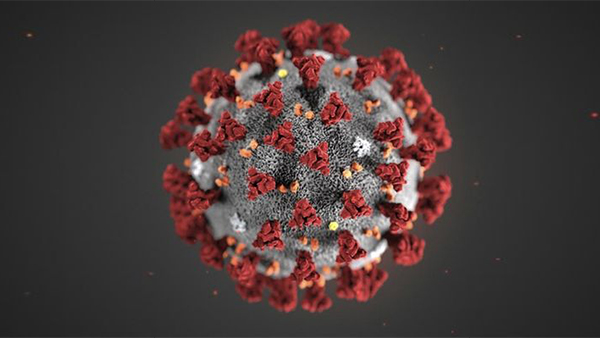
In the interconnected world we live in, respiratory viral infections can spread rapidly across communities, affecting millions of families and causing significant disruption to daily life. Coronaviruses, including the strain responsible for the global pandemic and its variants, as well as seasonal respiratory illnesses, continue to pose challenges for families around the world, including here in Dubai. At myPediaClinic, Dr. Medhat Abu Shaaban has been at the forefront of helping families navigate these challenges, providing expert guidance on prevention, symptom recognition, and appropriate care. This comprehensive guide draws on his extensive experience to help parents understand how to protect their families from viral spread while maintaining healthy, active lifestyles.
Understanding How Respiratory Viruses Spread
To effectively prevent the spread of viruses like coronavirus, it’s essential to first understand how these pathogens transmit from person to person. At myPediaClinic, Dr. Medhat Abu Shaaban emphasizes that knowledge is the foundation of effective prevention. When we understand transmission routes, we can take targeted actions to interrupt the chain of infection.
Respiratory Droplet Transmission
The primary mode of transmission for coronaviruses and many other respiratory viruses is through respiratory droplets. When an infected person coughs, sneezes, talks, or even breathes, they release tiny droplets containing viral particles into the air. These droplets can travel varying distances depending on their size and the force with which they are expelled. Larger droplets typically fall to the ground within about one to two meters, while smaller droplets can remain suspended in the air for longer periods.
If these droplets land on the mucous membranes of another person, such as the eyes, nose, or mouth, infection can occur. This is why maintaining physical distance from others, particularly during outbreaks, is one of the most effective prevention strategies. At myPediaClinic, Dr. Medhat Abu Shaaban advises families to be mindful of crowded indoor spaces where droplet transmission is most likely to occur.
Airborne Transmission
In addition to larger respiratory droplets, some viruses can spread through very small particles called aerosols that remain suspended in the air for extended periods. This airborne transmission is particularly relevant in poorly ventilated indoor spaces where aerosols can accumulate. Understanding this transmission route has important implications for prevention strategies, particularly around ventilation and air quality.
Improving ventilation in indoor spaces by opening windows, using air purifiers with HEPA filters, or ensuring HVAC systems are functioning properly can significantly reduce the risk of airborne transmission. At myPediaClinic, care has been taken to optimize ventilation and air quality to protect patients and staff.
Contact Transmission
Viruses can also spread through contact with contaminated surfaces, a route known as fomite transmission. When an infected person touches their face and then touches a surface, they may deposit viral particles on that surface. If another person touches the same surface and then touches their own face, particularly their eyes, nose, or mouth, they may become infected.
While research has shown that surface transmission may be less common than respiratory transmission for coronaviruses, it remains a relevant concern, particularly in high-touch environments. Dr. Medhat Abu Shaaban at myPediaClinic recommends regular cleaning of frequently touched surfaces and thorough hand hygiene as important components of a comprehensive prevention strategy.
Hand Hygiene: Your First Line of Defense
Among all prevention measures, proper hand hygiene stands out as one of the most effective and accessible. At myPediaClinic, Dr. Medhat Abu Shaaban consistently emphasizes hand hygiene as a cornerstone of infection prevention for families.
The Science Behind Hand Washing
Hand washing with soap and water is remarkably effective at removing viruses from the hands. Soap molecules have a unique structure that allows them to break apart the outer membrane of many viruses, including coronaviruses, essentially destroying them. Additionally, the mechanical action of rubbing hands together and rinsing with water physically removes viral particles from the skin.
For hand washing to be effective, it must be done properly. The World Health Organization recommends washing hands for at least 20 seconds, covering all surfaces including between fingers, under nails, and the backs of hands. Dr. Medhat Abu Shaaban at myPediaClinic often teaches children to sing a short song, like the “Happy Birthday” song twice, to ensure they wash for long enough.
When to Wash Hands
Frequency of hand washing is as important as technique. Key times when hand washing should be prioritized include:
Before eating or preparing food, hands should always be washed to prevent introducing viruses into the body through the mouth. After using the bathroom, hand washing is essential as bathrooms can harbor various pathogens. Upon returning home from public places, immediate hand washing helps prevent bringing viruses into the home environment. After coughing, sneezing, or blowing the nose, hand hygiene prevents spreading viruses to surfaces or other people. Before and after caring for someone who is sick, hand washing protects both the caregiver and the patient.
At myPediaClinic, handwashing stations are conveniently located throughout the facility, and families are encouraged to wash their hands upon arrival and before leaving. Dr. Medhat Abu Shaaban models good hand hygiene practices for his young patients, helping them develop lifelong healthy habits.
Using Hand Sanitizer Effectively
When soap and water are not available, alcohol-based hand sanitizers provide an effective alternative. For hand sanitizers to be effective against coronaviruses, they should contain at least 60% alcohol. Dr. Medhat Abu Shaaban recommends that families carry small bottles of hand sanitizer when out in public, using them after touching shared surfaces like door handles, shopping carts, or playground equipment.
To use hand sanitizer effectively, apply enough product to cover all surfaces of both hands, then rub hands together until they feel dry, which typically takes about 20 seconds. It’s important to note that hand sanitizers are less effective when hands are visibly dirty or greasy, in which case washing with soap and water is preferred.
Teaching Children Hand Hygiene
Establishing good hand hygiene habits in children is a priority at myPediaClinic. Dr. Medhat Abu Shaaban understands that children learn best through engagement and positive reinforcement. Strategies for teaching children effective hand washing include making it fun with songs or timers, demonstrating proper technique and washing hands together with the child, using visual aids like posters showing the steps of hand washing, praising children when they remember to wash their hands independently, and using child-friendly soaps with appealing colors or characters.
For young children who may not understand why hand washing is important, simple explanations can help. Explaining that hand washing “washes away the germs that can make us sick” gives children a basic understanding of the purpose behind the practice.
Respiratory Etiquette: Covering Coughs and Sneezes
Proper respiratory etiquette is another crucial component of preventing viral spread. At myPediaClinic, Dr. Medhat Abu Shaaban educates families on the importance of covering coughs and sneezes to protect others from respiratory droplets.
The Correct Way to Cover Coughs and Sneezes
The recommended method for covering coughs and sneezes has evolved based on understanding of disease transmission. Rather than coughing or sneezing into hands, which then touch surfaces and spread germs, the preferred method is to cough or sneeze into a tissue or into the elbow (the “vampire cough”).
When using a tissue, it should be discarded immediately after use into a closed bin, and hands should be washed or sanitized right away. The elbow method is particularly useful when tissues are not readily available, as the elbow does not typically touch other surfaces or people.
Dr. Medhat Abu Shaaban at myPediaClinic teaches children the elbow technique using fun imagery, such as “coughing like a vampire” or “sneezing into your superhero cape.” These playful associations help children remember and apply the technique consistently.
Creating a Cough-Aware Environment
Families can create an environment that supports good respiratory etiquette by keeping tissues readily available throughout the home, especially in areas where family members spend the most time. Having covered trash bins near tissue boxes makes proper disposal convenient. Gentle reminders, rather than criticism, help family members remember to cover coughs and sneezes, and modeling good behavior is particularly important for teaching children.
When Coughing Indicates Illness
While everyone coughs occasionally, persistent coughing may indicate illness that requires attention. Dr. Medhat Abu Shaaban at myPediaClinic advises parents to monitor their children’s coughs and seek medical evaluation when a cough persists for more than a few days, when the cough is accompanied by fever, difficulty breathing, or other concerning symptoms, when the child seems unusually tired or unwell, or when there is any concern about the child’s respiratory status.
Early evaluation allows for appropriate diagnosis and treatment, and also helps prevent spread to others if an infectious illness is present.
Protective Measures for Families
Beyond hand hygiene and respiratory etiquette, several additional protective measures can help families reduce their risk of viral infection. At myPediaClinic, Dr. Medhat Abu Shaaban provides comprehensive guidance on creating a protective shield around your family.
Face Masks and Their Appropriate Use
Face masks can be an effective tool for preventing respiratory virus transmission, particularly in crowded indoor settings during periods of high community transmission. Masks work by containing respiratory droplets from the wearer and, depending on the type of mask, filtering out particles from the air the wearer breathes.
For masks to be effective, they must be worn properly, covering both the nose and mouth snugly. Dr. Medhat Abu Shaaban at myPediaClinic advises families to choose masks that fit well, avoid touching the mask while wearing it, wash cloth masks regularly, and dispose of disposable masks after use.
For young children, mask-wearing can be challenging. Dr. Medhat Abu Shaaban offers tips for helping children accept masks, such as letting them choose masks with fun patterns, practicing wearing masks at home for short periods, and explaining in simple terms why masks help protect people.
Physical Distancing Strategies
Maintaining physical distance from others, particularly during outbreaks, reduces the risk of encountering respiratory droplets from an infected person. While strict lockdowns are hopefully behind us, thoughtful distancing remains a useful strategy in certain situations.
At myPediaClinic, appointment scheduling is designed to minimize crowding in the waiting area. Families are encouraged to maintain appropriate distance from others, particularly if anyone in the clinic appears to be symptomatic. During periods of high community transmission, Dr. Medhat Abu Shaaban may recommend that families avoid unnecessary crowded gatherings, particularly indoor events with poor ventilation.
Optimizing Indoor Air Quality
Given the potential for airborne transmission of respiratory viruses, improving indoor air quality can reduce infection risk. Strategies include opening windows to increase ventilation when weather permits, using air purifiers with HEPA filters in frequently used rooms, ensuring HVAC systems are properly maintained and filters are changed regularly, and spending time outdoors when possible, where viral particles disperse more rapidly.
In Dubai’s climate, where air conditioning is essential for much of the year, ensuring AC systems are well-maintained and using supplemental air purification can help maintain good indoor air quality. Dr. Medhat Abu Shaaban at myPediaClinic can provide guidance on optimizing home environments for respiratory health.
Surface Cleaning and Disinfection
Regular cleaning and disinfection of frequently touched surfaces adds another layer of protection against contact transmission. Key surfaces to focus on include door handles and light switches, phones, tablets, and remote controls, kitchen and bathroom counters, tables and desks, and toys, especially those shared between children.
Standard household cleaners are effective at removing most viruses from surfaces. For additional protection during outbreaks, EPA-registered disinfectants can be used according to package directions. Dr. Medhat Abu Shaaban at myPediaClinic cautions parents to use disinfectants safely, keeping them out of reach of children and ensuring adequate ventilation when using them.
Keeping Children Healthy During Outbreaks
While specific prevention measures are important, maintaining overall health also plays a crucial role in children’s ability to resist infection. At myPediaClinic, Dr. Medhat Abu Shaaban takes a holistic approach to pediatric health, recognizing that a well-nourished, well-rested child with a strong immune system is better equipped to fight off infections.
Nutrition for Immune Health
A balanced, nutritious diet supports immune function in children. Dr. Medhat Abu Shaaban at myPediaClinic recommends a diet rich in fruits and vegetables, which provide essential vitamins and antioxidants. Vitamin C, found in citrus fruits, berries, and many vegetables, supports immune cell function. Vitamin D, obtained from sunlight exposure, fortified foods, and supplements when needed, plays a role in immune regulation.
Protein is essential for building immune cells and antibodies, so ensuring adequate intake from sources like lean meats, fish, eggs, legumes, and dairy is important. Zinc, found in meat, shellfish, legumes, nuts, and seeds, is another nutrient that supports immune function.
Limiting excessive sugar and processed foods is also beneficial, as these can impair immune function. While occasional treats are fine, the foundation of a child’s diet should be whole, nutritious foods. Families seeking guidance on nutrition can consult with Dr. Medhat Abu Shaaban at myPediaClinic for personalized recommendations.
Adequate Sleep for Growing Bodies
Sleep is critical for immune function at all ages, but particularly for growing children. During sleep, the body produces cytokines, proteins that help fight infection and inflammation. Chronic sleep deprivation has been shown to reduce the production of these protective cytokines and decrease the effectiveness of immune cells.
The American Academy of Sleep Medicine provides guidelines for sleep duration by age: infants (4-12 months) need 12-16 hours including naps, toddlers (1-2 years) need 11-14 hours including naps, preschoolers (3-5 years) need 10-13 hours including naps, school-age children (6-12 years) need 9-12 hours, and teenagers (13-18 years) need 8-10 hours.
Dr. Medhat Abu Shaaban at myPediaClinic helps families establish healthy sleep routines, addressing any barriers to adequate sleep and providing strategies for improving sleep quality.
Physical Activity and Outdoor Play
Regular physical activity supports immune function and overall health in children. Exercise increases circulation, which allows immune cells to move through the body more effectively. It also helps manage stress and promotes quality sleep, both of which support immune function.
Outdoor play has additional benefits, as fresh air and sunlight exposure contribute to respiratory health and vitamin D production. In Dubai, morning and evening hours during warmer months, and daytime during cooler months, provide opportunities for outdoor activity. At myPediaClinic, Dr. Medhat Abu Shaaban encourages families to prioritize daily physical activity for children, adapting activities to the climate and the child’s interests.
Managing Stress and Emotional Wellbeing
Chronic stress can suppress immune function, making stress management important even for children. Outbreaks and health concerns can be stressful for children, who may worry about getting sick, changes in their routines, or stress they observe in adults around them.
Dr. Medhat Abu Shaaban at myPediaClinic advises parents to maintain calm communication about health matters, provide age-appropriate reassurance, maintain routines as much as possible, limit children’s exposure to news coverage that may cause anxiety, and create opportunities for play, connection, and relaxation.
If children are showing signs of significant anxiety related to health concerns, such as sleep disturbances, behavioral changes, or physical symptoms, parents should seek guidance from their pediatrician or a mental health professional.
Staying Current with Vaccinations
Vaccinations are one of the most effective tools we have for preventing serious infectious diseases. At myPediaClinic, Dr. Medhat Abu Shaaban ensures that children stay up to date with recommended vaccinations, which may include vaccines for COVID-19, influenza, and other preventable diseases.
Vaccines work by training the immune system to recognize and fight specific pathogens, reducing the risk of infection and, importantly, reducing the severity of illness if infection does occur. For respiratory viruses like influenza and COVID-19, vaccination is particularly important for vulnerable individuals and for reducing community transmission.
Parents with questions or concerns about vaccinations are encouraged to discuss them with Dr. Medhat Abu Shaaban at myPediaClinic, who can provide evidence-based information and personalized recommendations based on the child’s health status and risk factors.
When to Seek Medical Care
Despite the best prevention efforts, children may still become ill. Knowing when to seek medical care is important for ensuring appropriate treatment and preventing complications. At myPediaClinic, Dr. Medhat Abu Shaaban is available to evaluate sick children and provide guidance on home care or the need for additional treatment.
Recognizing Symptoms of Respiratory Illness
Common symptoms of respiratory viral infections include fever, cough, runny or stuffy nose, sore throat, fatigue and reduced activity, body aches, and headache. Some viruses may also cause gastrointestinal symptoms like nausea, vomiting, or diarrhea, particularly in children. Loss of taste or smell has been associated with COVID-19 infection.
Parents should monitor children with these symptoms closely and contact myPediaClinic if they have concerns. Dr. Medhat Abu Shaaban can provide guidance over the phone on whether an in-person evaluation is needed and what home care measures are appropriate.
Warning Signs Requiring Immediate Attention
While most respiratory infections in children resolve without serious complications, certain warning signs should prompt immediate medical evaluation. These include difficulty breathing or rapid breathing, persistent high fever that doesn’t respond to fever-reducing medications, bluish color to the lips or face, severe dehydration signs such as no tears when crying, very dry mouth, or no wet diapers for several hours, confusion or difficulty waking up, severe or persistent abdominal pain, and any symptom that concerns the parent significantly.
At myPediaClinic, Dr. Medhat Abu Shaaban and his team are available to evaluate children with concerning symptoms. If your child is experiencing severe symptoms outside of clinic hours, seek care at an emergency department.
Testing and Diagnosis
When a child presents with symptoms of respiratory illness, testing may be recommended to identify the specific virus causing the infection. This information can guide treatment decisions and help determine appropriate isolation periods to prevent spread to others.
At myPediaClinic, testing options are available for various respiratory pathogens, including COVID-19 and influenza. Dr. Medhat Abu Shaaban will discuss testing options with families and recommend the most appropriate approach based on the child’s symptoms and circumstances.
Home Care for Mild Illness
For children with mild respiratory illness, home care is often appropriate. Dr. Medhat Abu Shaaban at myPediaClinic provides guidance on supportive care measures, which may include rest and adequate sleep to support recovery, plenty of fluids to prevent dehydration, fever management with appropriate medications at correct doses, saline nasal drops or spray to relieve congestion, humidifiers to ease breathing discomfort, and monitoring for worsening symptoms.
Keeping the sick child isolated from other family members as much as possible can help prevent spread within the household. The sick child should have their own towels and drinking glasses, and shared surfaces should be cleaned frequently.
Dubai-Specific Considerations for Disease Prevention
Living in Dubai presents unique considerations for disease prevention that Dr. Medhat Abu Shaaban at myPediaClinic takes into account when advising families.
Climate and Indoor Living
Dubai’s hot climate means that residents spend a significant portion of their time indoors in air-conditioned environments, particularly during summer months. This indoor living can increase transmission of respiratory viruses, making attention to indoor air quality and hygiene particularly important.
Dr. Medhat Abu Shaaban recommends ensuring proper maintenance of air conditioning systems, using air purifiers when appropriate, and taking advantage of cooler morning and evening hours or the winter months for outdoor activities. These strategies help balance the realities of Dubai’s climate with the need for fresh air and outdoor time.
Diverse International Community
Dubai’s position as an international hub means that residents are exposed to travelers from around the world, and families themselves may travel frequently. This international connectivity can introduce new viral strains and requires awareness of global health situations.
At myPediaClinic, Dr. Medhat Abu Shaaban stays informed about global health developments and provides families with relevant guidance for travel and for managing potential exposures. Families planning international travel should consult with the clinic about any specific precautions or vaccinations that may be recommended.
Healthcare System and Resources
Dubai has a well-developed healthcare system with excellent resources for managing infectious diseases. myPediaClinic is part of this healthcare network, providing families with accessible, high-quality pediatric care.
During periods of high disease activity, health authorities may implement specific guidelines or requirements. Dr. Medhat Abu Shaaban ensures that myPediaClinic follows all relevant guidelines and keeps families informed about any recommendations from health authorities that may affect them.
Creating a Family Health Plan
Rather than reacting to health threats as they arise, proactive families benefit from having an overall health plan that incorporates prevention strategies into daily life. At myPediaClinic, Dr. Medhat Abu Shaaban helps families develop comprehensive approaches to health that serve them well during outbreaks and in everyday life.
Establishing Healthy Routines
The prevention measures discussed in this article are most effective when they become routine habits rather than special actions taken only during outbreaks. Hand washing upon returning home, covering coughs and sneezes, maintaining good nutrition and sleep, and staying current with vaccinations should be year-round practices for families.
Involving children in establishing these routines helps them take ownership of their health and develops habits that will serve them throughout life. Dr. Medhat Abu Shaaban at myPediaClinic can help families identify areas where their routines could be strengthened and provide practical strategies for improvement.
Staying Informed Without Becoming Overwhelmed
Staying informed about health developments is important, but the constant stream of information during outbreaks can become overwhelming and anxiety-provoking. Dr. Medhat Abu Shaaban recommends that families identify reliable sources of information, such as the WHO, CDC, or local health authorities, and check these periodically rather than constantly monitoring news coverage.
For guidance specific to their family’s circumstances, parents can always reach out to myPediaClinic. Dr. Medhat Abu Shaaban provides personalized advice that takes into account the family’s unique situation, health status, and concerns.
Frequently Asked Questions About Preventing Viral Spread
How long should I wash my hands to effectively remove viruses?
To effectively remove viruses, hands should be washed with soap and water for at least 20 seconds. This should include scrubbing all surfaces of the hands, between fingers, under nails, and the backs of hands. Dr. Medhat Abu Shaaban at myPediaClinic teaches children to sing the “Happy Birthday” song twice as a timer, which takes approximately 20 seconds. The mechanical action of rubbing combined with soap’s ability to break apart viral membranes makes proper hand washing highly effective at removing coronaviruses and other pathogens.
Can children spread coronavirus even if they have no symptoms?
Yes, children can spread coronavirus and other respiratory viruses even when they have no symptoms or only very mild symptoms. This is called asymptomatic or presymptomatic transmission. Children often have milder cases of COVID-19 compared to adults, but they can still be contagious. This is one reason why prevention measures like hand hygiene and respiratory etiquette are important for everyone, regardless of whether they feel sick. At myPediaClinic, Dr. Medhat Abu Shaaban emphasizes that prevention measures should be routine practices, not just actions taken when illness is apparent.
What is the best type of hand sanitizer to use against coronavirus?
For effective protection against coronavirus, hand sanitizers should contain at least 60% alcohol. Both ethanol and isopropanol-based sanitizers at this concentration are effective at inactivating coronaviruses. At myPediaClinic, Dr. Medhat Abu Shaaban recommends keeping hand sanitizer with your family for use when soap and water are not available, such as after touching surfaces in public places. Apply enough sanitizer to cover all hand surfaces and rub until hands feel dry, about 20 seconds. Note that hand sanitizer is less effective on visibly dirty or greasy hands, so washing with soap and water is preferred when hands are soiled.
How can I teach my young child to cover coughs and sneezes properly?
Teaching young children to cover coughs and sneezes can be done through playful practice and consistent modeling. Dr. Medhat Abu Shaaban at myPediaClinic recommends teaching the “vampire cough” or “superhero sneeze” where children cough or sneeze into their elbow. Practice the technique during play times when the child is not actually coughing or sneezing. Demonstrate the technique yourself and praise your child when they remember to use it. Keeping tissues readily available and teaching children to use and dispose of them properly is also helpful. Consistent gentle reminders over time will help the behavior become automatic.
When should I keep my child home from school due to illness?
Children should be kept home from school when they have fever (typically 38C or 100.4F or higher), when they are vomiting or have diarrhea, when they have symptoms that prevent them from participating comfortably in activities, or when they might be contagious with an illness that could spread to others. During periods of active outbreaks, schools and health authorities may have specific guidelines about when children can return after illness. Dr. Medhat Abu Shaaban at myPediaClinic can provide guidance on your child’s specific situation and when it’s appropriate for them to return to school or activities.
How often should I clean and disinfect surfaces in my home during an outbreak?
During outbreaks, high-touch surfaces such as door handles, light switches, phones, tablets, and countertops should be cleaned and disinfected at least once daily, and more frequently if someone in the household is ill. Regular household cleaners are effective for routine cleaning. For disinfection, use products registered as effective against the virus of concern, following package directions for contact time. Dr. Medhat Abu Shaaban at myPediaClinic notes that while surface transmission is less common than respiratory transmission for coronaviruses, regular cleaning remains a reasonable precaution, especially in households with young children who frequently touch surfaces and then their faces.
Can improving indoor ventilation really help prevent coronavirus spread?
Yes, improving indoor ventilation can help reduce the spread of coronavirus and other respiratory viruses. Viruses can spread through small particles called aerosols that remain suspended in air, particularly in poorly ventilated indoor spaces. Increasing ventilation by opening windows, using exhaust fans, or improving HVAC systems helps dilute and remove these particles. HEPA air purifiers can also help by filtering out viral particles. Dr. Medhat Abu Shaaban at myPediaClinic recommends balancing ventilation improvements with Dubai’s climate realities, perhaps by using air purifiers in frequently used rooms and taking advantage of cooler times for natural ventilation.
Should my child wear a mask to school or in public places?
Mask recommendations vary based on current community transmission levels and official guidelines. During periods of high transmission, masks can provide additional protection in crowded indoor settings. Masks are generally not recommended for children under 2 years of age due to suffocation risk. For older children, the decision should be based on current health authority recommendations, the child’s ability to wear the mask properly, and individual risk factors. Dr. Medhat Abu Shaaban at myPediaClinic can provide current guidance based on the situation in Dubai and your child’s specific circumstances. If masks are used, ensure they fit properly and are handled hygienically.
What symptoms should prompt me to seek immediate medical care for my child?
Parents should seek immediate medical care if their child shows any of the following warning signs: difficulty breathing or rapid breathing, persistent chest pain or pressure, bluish color to the lips or face, confusion or difficulty waking up, inability to keep down fluids with signs of dehydration, severe or persistent abdominal pain, or any symptom that significantly concerns you as a parent. Dr. Medhat Abu Shaaban at myPediaClinic is available to evaluate children with concerning symptoms. If your child has severe symptoms outside clinic hours, seek care at an emergency department immediately. Trust your instincts as a parent; if something seems seriously wrong, seek care promptly.
How can I boost my child’s immune system naturally?
Supporting your child’s immune system involves maintaining overall good health rather than seeking specific “boosters.” At myPediaClinic, Dr. Medhat Abu Shaaban recommends a balanced diet rich in fruits, vegetables, whole grains, and lean proteins to provide essential nutrients. Adequate sleep appropriate for your child’s age is crucial for immune function. Regular physical activity and outdoor play support overall health. Managing stress and maintaining emotional wellbeing also impact immune function. Staying current with recommended vaccinations provides specific protection against serious diseases. Avoid falling for unproven supplements or treatments claiming to “boost” immunity; instead, focus on these fundamental aspects of healthy living.
Contact myPediaClinic for Expert Guidance
Protecting your family from viral spread requires a combination of knowledge, practical measures, and access to expert medical guidance when needed. At myPediaClinic, Dr. Medhat Abu Shaaban and his team are dedicated to helping families in Dubai stay healthy and navigate health challenges with confidence.
Whether you have questions about prevention strategies, are concerned about symptoms in your child, or simply want to ensure your family is prepared for cold and flu season, we are here to help. Our comprehensive approach to pediatric care addresses not only illness when it occurs but also prevention, health promotion, and family education.
Contact myPediaClinic today to schedule an appointment with Dr. Medhat Abu Shaaban. Let us partner with you in protecting your family’s health. Our team is ready to answer your questions and provide the expert guidance you need to keep your children healthy and thriving.