

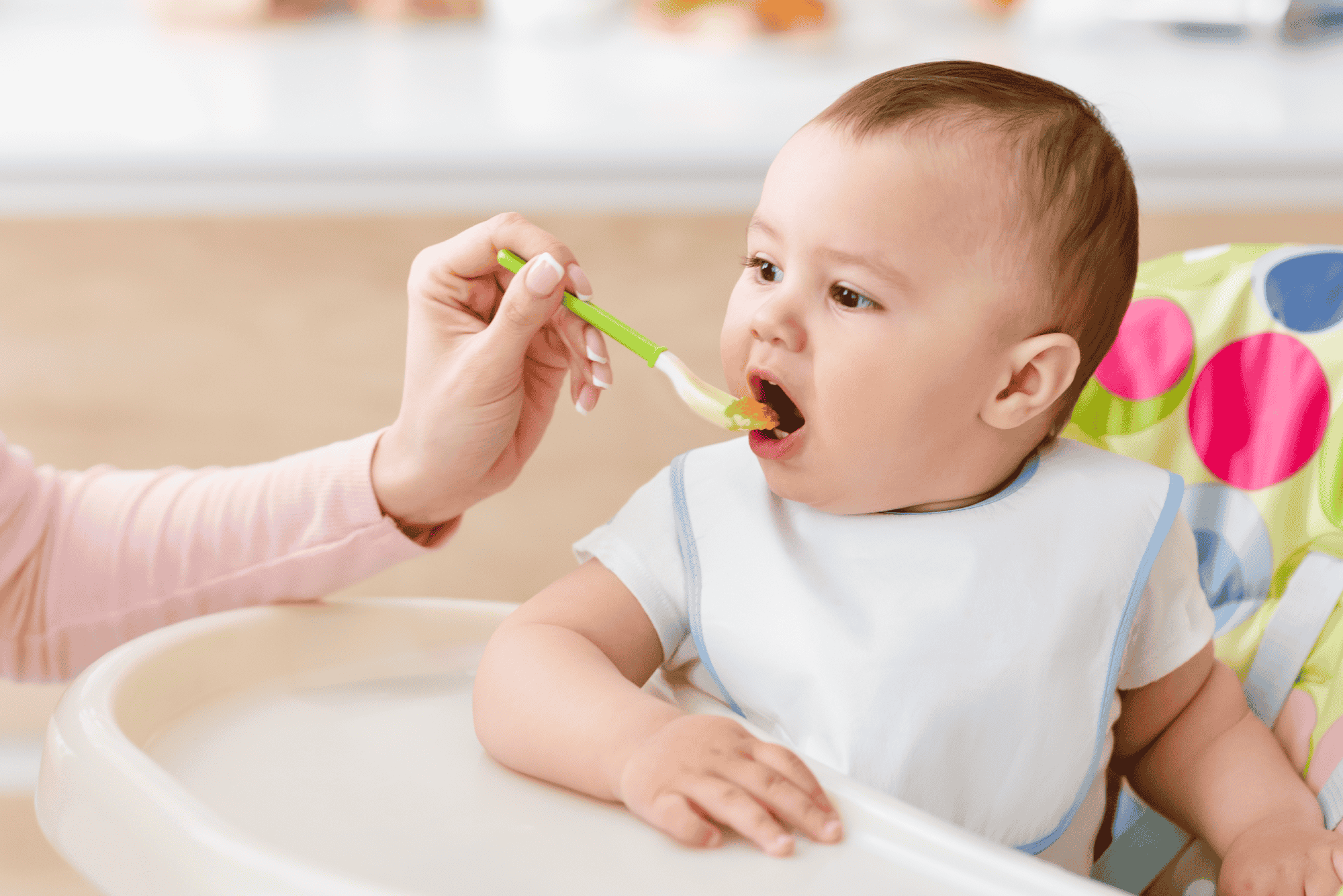
When Can Babies Start Eating Baby Food? A Complete Guide for Parents
One of the most exciting milestones in your baby’s first year is the transition from exclusive milk feeding to solid foods. As parents in Dubai, you might wonder exactly when your little one is ready to explore the world of baby food. At myPediaClinic, our pediatric specialists understand that every baby develops at their own pace, and knowing the right time to introduce solids is crucial for your child’s health and development. This comprehensive guide will walk you through everything you need to know about starting your baby on solid foods, from recognizing developmental readiness signs to choosing the best first foods for your infant.
Understanding the Right Age to Introduce Solid Foods
The question of when babies can start eating baby food has been extensively researched by pediatric nutrition experts worldwide. The general consensus among leading health organizations, including the World Health Organization (WHO), the American Academy of Pediatrics (AAP), and pediatric specialists at myPediaClinic Dubai, is that most babies are ready to begin solid foods around six months of age. However, this timeline can vary slightly depending on your individual baby’s developmental readiness.
During the first six months of life, breast milk or formula provides all the essential nutrients your baby needs for optimal growth and development. The digestive system of a newborn is specifically designed to process liquid nutrition, and introducing solids too early can potentially cause digestive issues, increase the risk of allergies, and interfere with the nutritional benefits of breast milk or formula.
Research has shown that starting solid foods before four months of age is associated with increased risk of obesity, diabetes, and eczema later in life. On the other hand, delaying the introduction of solids beyond seven months may lead to nutritional deficiencies, particularly iron deficiency, and could make it more challenging for babies to accept different textures and flavors as they grow older.
Why Six Months Is the Recommended Age
The six-month recommendation is based on several important developmental and physiological factors. By this age, most babies have developed the necessary oral motor skills to move food from the front of their mouth to the back for swallowing. Their digestive systems have matured enough to handle foods other than milk, and their iron stores from birth begin to deplete, making additional iron from solid foods beneficial.
At six months, babies also develop the ability to sit with support, which is essential for safe feeding. Their tongue-thrust reflex, which automatically pushes food out of the mouth, begins to diminish, allowing them to actually swallow rather than spit out anything that enters their mouth. These developmental milestones collectively indicate that your baby’s body is preparing for the next nutritional stage.
Signs Your Baby Is Ready for Solid Foods
While age is an important factor, it’s equally crucial to observe your baby for specific developmental readiness signs before introducing solid foods. At myPediaClinic, our pediatricians emphasize that looking for these signs ensures a smoother transition to solids and reduces the risk of feeding difficulties.
Physical Readiness Signs
The first and most important physical sign is your baby’s ability to hold their head steady in an upright position. This neck control is essential for safe swallowing and reduces the risk of choking. You’ll notice your baby can maintain their head position without it bobbing or falling to the side during feeding or play.
Another crucial indicator is the ability to sit with minimal support. While your baby doesn’t need to sit completely independently, they should be able to maintain an upright seated position in a high chair with some assistance. This positioning helps food travel safely down the esophagus and into the stomach.
Watch for the disappearance of the tongue-thrust reflex. In younger infants, this reflex causes them to automatically push anything placed on their tongue out of their mouth. As babies mature, this reflex diminishes, allowing them to move food to the back of their mouth for swallowing. You can test this by gently placing a small amount of pureed food on your baby’s tongue; if they consistently push it out, they may not be ready for solids yet.
Behavioral Readiness Signs
Behavioral cues are equally important indicators of readiness for solid foods. One of the most noticeable signs is an increased interest in food. Your baby may start watching intently as you eat, reaching for food on your plate, or opening their mouth when food approaches. This curiosity about eating is a natural developmental progression that signals readiness for new feeding experiences.
You might also notice that your baby seems unsatisfied after breast or bottle feeding, wanting to nurse more frequently or finishing bottles quickly and looking for more. While growth spurts can cause similar behavior, persistent hunger despite adequate milk intake may indicate your baby is ready for the additional calories that solid foods provide.
The pincer grasp, where your baby picks up small objects between their thumb and forefinger, often develops around six to eight months. While not essential for starting purees, this motor skill indicates neurological maturity and will be important when your baby progresses to finger foods.
Signs Your Baby Is NOT Ready
Important: Do not introduce solid foods if your baby cannot hold their head up steadily, cannot sit with support, consistently pushes food out with their tongue, shows no interest in food, or is younger than four months old. If you’re unsure about your baby’s readiness, consult with the pediatric specialists at myPediaClinic for personalized guidance.
Best First Foods for Your Baby
Once you’ve determined that your baby is developmentally ready for solid foods, the next exciting step is choosing what to feed them. The first foods you introduce set the stage for your baby’s relationship with eating and nutrition. At myPediaClinic Dubai, we recommend starting with single-ingredient, easily digestible foods that are gentle on your baby’s developing digestive system.
Iron-Rich Foods Should Be a Priority
Iron is one of the most critical nutrients for babies starting solids. By six months, the iron stores that babies are born with begin to deplete, and breast milk alone may not provide sufficient iron for optimal brain development and growth. Iron-fortified infant cereals, pureed meats, beans, and lentils are excellent first food choices that help meet your baby’s iron needs.
Iron-fortified rice cereal has traditionally been a popular first food choice because it’s easily digestible and unlikely to cause allergic reactions. However, pediatric nutrition guidelines have evolved, and experts now encourage a variety of iron-rich foods from the beginning. Pureed beef, chicken, or turkey provides highly absorbable heme iron, while legumes like lentils and chickpeas offer plant-based iron along with protein and fiber.
Vegetables and Fruits
Vegetables and fruits introduce your baby to a world of new flavors and important vitamins. Many pediatricians recommend starting with vegetables before fruits, as the natural sweetness of fruits might make vegetables seem less appealing. However, research suggests that the order of introduction doesn’t significantly affect long-term food preferences.
Excellent first vegetables include sweet potato, butternut squash, carrots, peas, and green beans. These vegetables have naturally mild flavors and smooth textures when pureed. Sweet potato is particularly popular as a first food because of its creamy consistency and naturally sweet taste that most babies enjoy.
For fruits, bananas, avocados, pears, apples, and peaches are gentle on the digestive system and easy to prepare. Avocado is especially nutritious, providing healthy fats essential for brain development along with a smooth, creamy texture that babies love. Bananas can be mashed without cooking, making them convenient for on-the-go feeding.
Grains and Cereals
Beyond iron-fortified rice cereal, other grains offer nutritional benefits and variety. Oatmeal is an excellent choice, providing fiber, iron, and a slightly different texture than rice cereal. Barley and quinoa are also nutritious options that can be prepared as infant cereals once your baby has tolerated simpler grains.
When choosing commercial infant cereals, look for products that are iron-fortified and contain minimal added sugars. Single-grain cereals are preferable initially, allowing you to identify any potential sensitivities before introducing mixed-grain varieties.
How to Introduce Solid Foods Safely
The transition to solid foods should be gradual and stress-free for both you and your baby. Following safe feeding practices ensures your baby has positive early eating experiences while minimizing risks. The pediatric team at myPediaClinic provides these essential guidelines for safe solid food introduction.
Start Slowly with Single Ingredients
Begin with single-ingredient foods, introducing one new food at a time. This approach allows you to identify any food allergies or intolerances. Wait three to five days before introducing another new food, watching for signs of allergic reactions such as rash, hives, vomiting, diarrhea, or difficulty breathing.
Start with small amounts, about one to two teaspoons, gradually increasing as your baby shows interest and tolerance. Remember that early solid feeding is more about exploration and learning than nutrition. Breast milk or formula should remain the primary source of nutrition until around twelve months of age.
Proper Food Texture and Consistency
For babies just starting solids, foods should be smooth and runny, similar to the consistency of breast milk or formula. As your baby becomes more comfortable with swallowing, you can gradually thicken the texture. Most babies progress from thin purees to thicker purees, then to mashed foods with soft lumps, and eventually to soft finger foods over several months.
Avoid adding salt, sugar, honey, or other seasonings to baby food. Babies’ kidneys cannot handle excess sodium, and their taste preferences are still developing. Honey should never be given to babies under one year due to the risk of infant botulism.
Safe Feeding Positions and Practices
Always feed your baby in an upright position, either in your lap with support or in a high chair. Never feed a baby who is lying down or reclining significantly, as this increases the risk of choking. Ensure your baby is alert and not overly tired or fussy during feeding times.
Use a small, soft-tipped spoon designed for infants. Place small amounts of food on the tip of the spoon and let your baby take the food from the spoon rather than pushing it into their mouth. This respects their autonomy and helps them learn to control the pace of eating.
Recognizing and Preventing Choking Hazards
Choking Prevention Tips:
- Always supervise your baby during feeding
- Avoid hard, round foods like whole grapes, nuts, popcorn, and raw carrots
- Cut foods into small, manageable pieces
- Ensure foods are soft enough to be mashed with gentle pressure
- Never leave your baby alone while eating
- Learn infant CPR and choking first aid before starting solids
Creating a Feeding Schedule for Your Baby
Establishing a consistent feeding schedule helps your baby anticipate meals and develops healthy eating habits. While every baby is unique, general guidelines can help you structure your baby’s day around solid food introduction while maintaining adequate breast milk or formula intake.
First Few Weeks of Solid Foods
During the initial weeks, offer solid foods once daily, preferably at a time when your baby is alert, happy, and moderately hungry. Many parents find mid-morning works well, after the first milk feed of the day but before your baby becomes overtired. Start with just a few spoonfuls and follow your baby’s cues about when they’ve had enough.
Continue to offer breast milk or formula on demand during this period. Solid foods at this stage are complementary, meaning they add to rather than replace milk feeds. Your baby may eat very little in the beginning, and that’s completely normal.
Progressing to Multiple Meals
After a few weeks of successful once-daily feeding, you can gradually increase to two meals per day, and eventually three meals. By eight to nine months, many babies are eating breakfast, lunch, and dinner, with breast milk or formula offered between meals and before bed.
A typical day might look like this: morning milk feed, followed by breakfast an hour later, mid-morning milk feed, lunch, afternoon milk feed, dinner, and evening milk feed before bed. This schedule provides ample nutrition from both milk and solids while establishing a routine that works for most families.
Listening to Your Baby’s Hunger and Fullness Cues
Responsive feeding means paying attention to your baby’s signals rather than focusing on how much they eat. Hunger cues include opening the mouth when food approaches, leaning toward the spoon, and expressing excitement about eating. Fullness cues include turning the head away, closing the mouth, pushing food away, or becoming distracted and disinterested.
Never force your baby to finish a certain amount of food. Respecting their appetite signals helps prevent overeating and supports a healthy relationship with food throughout life. If your baby consistently refuses food, they may not be hungry, may not like that particular food, or may need a break before trying again.
Introducing Allergenic Foods
Current pediatric guidelines recommend introducing common allergenic foods early, around six months of age, rather than delaying them. Research has shown that early introduction may actually help prevent food allergies from developing. At myPediaClinic, we guide parents through the safe introduction of allergenic foods.
Common Allergenic Foods to Introduce
The major allergenic foods include peanuts, tree nuts, eggs, cow’s milk (in foods, not as a drink), wheat, soy, fish, and shellfish. These foods can be introduced once your baby has tolerated a few non-allergenic first foods and shown no signs of food sensitivity.
For peanuts, mix a small amount of smooth peanut butter with breast milk, formula, or pureed fruit to create a thin consistency that’s safe for babies. Never give whole peanuts or chunky peanut butter to infants due to choking risk. Similarly, introduce eggs by offering well-cooked scrambled eggs or adding cooked egg to other foods.
How to Safely Introduce Allergens
Introduce allergenic foods one at a time, waiting three to five days between each new allergen. Offer a small amount first, about a quarter teaspoon, and wait 10-15 minutes before offering more. Watch for immediate allergic reaction signs including hives, swelling, vomiting, wheezing, or difficulty breathing.
If your baby tolerates the small amount, gradually increase the quantity. Continue to offer the allergenic food regularly, several times per week, as continued exposure helps maintain tolerance. Stopping and starting allergenic foods may actually increase allergy risk.
When to Consult a Pediatrician About Allergies
If your baby has severe eczema, a previous allergic reaction to food, or a family history of food allergies, consult with a pediatric specialist before introducing allergenic foods. Your doctor may recommend allergy testing or supervised introduction in a clinical setting for high-risk babies.
Making Your Own Baby Food vs. Store-Bought Options
Parents today have more options than ever when it comes to feeding their babies. Both homemade and commercial baby foods can be part of a healthy diet, and many families use a combination of both. Understanding the benefits and considerations of each option helps you make informed choices for your family.
Benefits of Homemade Baby Food
Making your own baby food gives you complete control over ingredients and quality. You know exactly what goes into each meal, can avoid preservatives and additives, and can use organic produce if desired. Homemade baby food is also typically more economical than commercial options, especially when using seasonal produce.
Preparing baby food at home allows you to introduce your baby to the same foods your family eats, which may help them accept family meals more easily later. You can also customize textures and combinations to suit your baby’s preferences and developmental stage.
Tips for Making Baby Food at Home
Steam, bake, or boil fruits and vegetables until soft, then puree in a blender or food processor. Add breast milk, formula, or water to achieve the desired consistency. Store portions in ice cube trays or small containers and freeze for convenient future meals. Thaw frozen baby food in the refrigerator overnight or in warm water before serving.
Use clean equipment and fresh ingredients. Wash all produce thoroughly, and cook meats to safe internal temperatures. Never add salt, sugar, or honey to homemade baby food. Most homemade baby food can be stored in the refrigerator for up to three days or frozen for up to three months.
Choosing Quality Store-Bought Baby Food
Commercial baby foods offer convenience and consistency. When selecting store-bought options, read labels carefully. Choose products with few ingredients, no added sugars or salt, and appropriate textures for your baby’s age. Organic options are widely available for parents who prefer them.
Pouches have become popular but should be used mindfully. While convenient, eating directly from pouches doesn’t teach spoon-feeding skills and may promote overconsumption. If using pouches, squeeze the contents onto a spoon rather than letting your baby suck directly from the pouch.
Common Challenges When Starting Solid Foods
The transition to solid foods rarely goes perfectly smoothly. Many babies and parents experience challenges along the way. Understanding common issues and how to address them can make the experience less stressful and more successful.
Food Refusal and Picky Eating
It’s completely normal for babies to reject new foods. Research shows that babies may need to try a new food 10-15 times before accepting it. If your baby refuses a food, don’t force it. Remove the food calmly and try again in a few days. Repeated neutral exposure without pressure typically leads to acceptance over time.
Some babies are naturally more cautious about new experiences, including new foods. These babies may benefit from watching parents or older siblings eat the same foods, which demonstrates safety and can increase willingness to try. Avoid making mealtimes stressful by reacting strongly to food refusal.
Gagging vs. Choking
Many parents confuse gagging with choking, leading to unnecessary anxiety. Gagging is a normal protective reflex that helps babies manage food textures. When babies gag, they may cough, sputter, and their eyes may water, but they can still breathe and make noise. Gagging typically resolves on its own and becomes less frequent as babies learn to manage food.
Choking, in contrast, is a medical emergency where the airway is blocked. A choking baby cannot breathe, cry, or make noise. Their face may turn red or blue. If your baby is truly choking, immediate intervention is required. All caregivers should learn infant choking first aid before starting solid foods.
Constipation and Digestive Changes
Starting solid foods often changes your baby’s bowel movements. Stools may become firmer, change color based on foods eaten, and occur less frequently. Some constipation is normal during the transition. Offering plenty of breast milk or formula, along with high-fiber foods like prunes, pears, and peas, can help prevent and relieve constipation.
If your baby experiences severe constipation, blood in stool, or significant discomfort, consult with your pediatrician at myPediaClinic for guidance. Most digestive adjustments are temporary and resolve as your baby’s system adapts to solid foods.
Baby-Led Weaning: An Alternative Approach
Baby-led weaning (BLW) is an approach to starting solids that skips purees entirely, instead offering soft finger foods from the beginning. This method has gained popularity and has both supporters and critics in the pediatric community.
How Baby-Led Weaning Works
In baby-led weaning, babies are offered soft, appropriate finger foods and allowed to feed themselves from the start. Foods are cut into pieces large enough for babies to grip, typically stick or strip shapes. Babies explore foods at their own pace, picking up pieces and bringing them to their mouths independently.
Proponents of BLW argue that it promotes independence, develops motor skills, reduces picky eating, and helps babies learn to regulate their appetite. The approach also allows babies to participate in family meals more easily, eating similar foods to other family members.
Safety Considerations for Baby-Led Weaning
Safety is the primary concern with baby-led weaning. Foods must be soft enough to mash with gentle pressure and cut appropriately to prevent choking. Babies must be developmentally ready, able to sit independently, and have lost the tongue-thrust reflex before starting BLW.
Research has shown that when done properly, baby-led weaning does not increase choking risk compared to traditional spoon-feeding. However, it does require careful food selection and close supervision. If you’re interested in baby-led weaning, discuss this approach with your pediatrician to ensure it’s appropriate for your baby.
Combining Approaches
Many families find success with a combined approach, offering purees by spoon while also providing safe finger foods for self-feeding. This flexible method gives babies experience with different textures and feeding styles while ensuring adequate nutrition. There’s no single right way to introduce solids, and the best approach is one that works for your family and your individual baby.
Nutritional Needs During the Transition to Solids
Understanding your baby’s nutritional needs helps ensure they receive adequate nutrition during the transition from exclusive milk feeding to a varied diet. While solid foods become increasingly important, milk remains a crucial part of your baby’s diet throughout the first year.
Key Nutrients for Babies 6-12 Months
Iron is perhaps the most critical nutrient during this period. Babies are born with iron stores that sustain them through the first six months, after which dietary iron becomes essential. Iron supports brain development, prevents anemia, and supports overall growth. Offer iron-rich foods daily, including fortified cereals, meat, poultry, fish, beans, and lentils.
Zinc is another important nutrient that supports immune function and growth. Good sources include meat, poultry, beans, and fortified cereals. Vitamin C helps the body absorb iron from plant sources, so pairing iron-rich plant foods with vitamin C-rich foods like tomatoes, oranges, or strawberries enhances nutrition.
Maintaining Adequate Milk Intake
Breast milk or formula should remain the primary source of nutrition until twelve months. During the transition to solids, aim for about 24-32 ounces of formula or continued breastfeeding on demand daily. As solid food intake increases, milk intake will naturally decrease slightly, but it should remain a significant part of your baby’s diet.
After twelve months, whole cow’s milk can replace formula, but breast milk can continue for as long as mother and baby desire. The transition from formula or breast milk to whole milk should be gradual and guided by your pediatrician’s recommendations.
When to Seek Professional Guidance
While most babies transition to solid foods without significant issues, some situations warrant professional consultation. The pediatric team at myPediaClinic Dubai is available to address concerns and provide specialized guidance for your baby’s individual needs.
Signs That Require Medical Attention
Contact your pediatrician if your baby consistently refuses all solid foods after several weeks of trying, loses weight or fails to gain weight appropriately, has persistent vomiting or diarrhea after eating, shows signs of allergic reactions, or has difficulty swallowing that doesn’t improve with practice.
Babies with certain medical conditions, including prematurity, developmental delays, or chronic health issues, may benefit from specialized feeding guidance from pediatric nutritionists or feeding therapists. Your pediatrician can refer you to appropriate specialists if needed.
Frequently Asked Questions About Starting Baby Food
The best age to start feeding baby food is around six months, when most babies show signs of developmental readiness. However, some babies may be ready slightly earlier (around four months) or later. Look for signs like good head control, ability to sit with support, interest in food, and loss of the tongue-thrust reflex rather than focusing solely on age.
While some babies may show readiness signs at four months, most health organizations recommend waiting until around six months to introduce solid foods. If you’re considering starting solids before six months, consult with your pediatrician first. Never introduce solid foods before four months, as your baby’s digestive system is not mature enough to handle anything other than breast milk or formula.
Good first foods include iron-fortified infant cereal, pureed sweet potato, avocado, banana, or pureed meat. Iron-rich foods are particularly important as first foods because babies’ iron stores begin to deplete around six months. Single-ingredient foods are recommended initially to identify any allergies or sensitivities.
At six months, babies typically start with just a few teaspoons of solid food once daily. The amount will gradually increase over weeks and months. By seven to eight months, many babies eat about 3-4 tablespoons of food per meal, two to three times daily. Remember that breast milk or formula remains the primary nutrition source during this time.
While some experts suggest introducing vegetables before fruits to prevent a preference for sweet foods, research shows the order doesn’t significantly impact long-term preferences. The most important thing is to offer a variety of both vegetables and fruits over time. Feel free to start with whichever your baby seems more interested in.
Once your baby starts solid foods around six months, you can offer small sips of water with meals. Use an open cup or straw cup rather than a bottle. The amount should be limited to about 2-4 ounces per day initially, as breast milk or formula still provides most of the hydration your baby needs.
Signs of a food allergy may include hives or skin rash, swelling of the lips, face, or tongue, vomiting or diarrhea, coughing or wheezing, and in severe cases, difficulty breathing. Mild symptoms usually appear within minutes to hours after eating. If your baby shows signs of a severe allergic reaction, seek emergency medical care immediately.
Baby-led weaning can be safe for most babies who show signs of readiness, including the ability to sit independently, good hand-eye coordination, and loss of the tongue-thrust reflex. However, it may not be appropriate for babies with developmental delays, certain medical conditions, or those at high risk for nutritional deficiencies. Consult your pediatrician to determine if baby-led weaning is right for your baby.
Babies under one year should avoid honey (risk of botulism), whole cow’s milk as a drink (formula or breast milk should be the main milk source), added salt and sugar, choking hazards like whole grapes, nuts, and popcorn, unpasteurized foods, and high-mercury fish. Always cook eggs and meat thoroughly for babies.
For your baby’s first meal, choose a single-ingredient food like iron-fortified cereal or pureed vegetable. Mix the food with breast milk or formula to achieve a thin, smooth consistency. Have your baby seated upright in a high chair, use a small soft-tipped spoon, and offer just a teaspoon or two. Follow your baby’s cues and stop when they show signs of fullness.
Expert Pediatric Guidance for Your Baby’s Nutrition Journey
Starting solid foods is an exciting milestone, and you don’t have to navigate it alone. The experienced pediatricians at myPediaClinic in Dubai are here to provide personalized guidance for your baby’s nutritional needs. From assessing developmental readiness to addressing feeding challenges, our team is dedicated to supporting your family through every stage of your baby’s growth.