

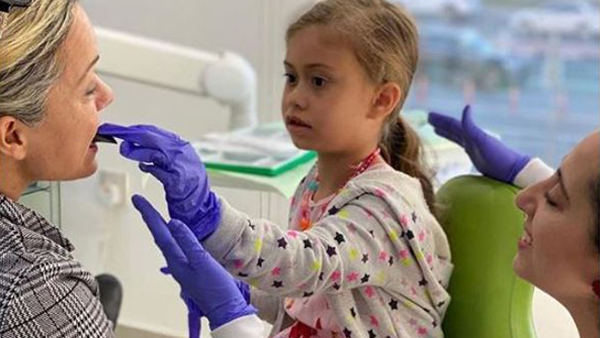
Dr. Yasmin Getting Out of the Way to Help Children Feel at Ease
Stepping into a dental clinic can be an overwhelming experience for children. The unfamiliar environment, strange equipment, and the presence of masked adults can trigger anxiety and fear in even the bravest young patients. At myPediaClinic in Dubai, Dr. Yasmin has revolutionized the approach to pediatric dentistry by implementing innovative child-centered techniques that transform the dental experience from a source of fear into an opportunity for empowerment and learning. Her philosophy of “getting out of the way” represents a fundamental shift in how dental professionals interact with young patients, recognizing that children often thrive when given appropriate control and treated as active participants in their own care rather than passive recipients of treatment.
Understanding Child-Centered Dentistry: A New Paradigm
Child-centered dentistry is more than just a collection of techniques; it represents a fundamental philosophy about how healthcare should be delivered to young patients. This approach recognizes that children are not simply small adults but unique individuals with their own developmental needs, communication styles, and coping mechanisms. At myPediaClinic, Dr. Yasmin has embraced this philosophy wholeheartedly, creating an environment where children’s psychological and emotional needs are considered equally important as their dental health needs.
The Psychology Behind Childhood Dental Anxiety
To understand why child-centered approaches are so effective, it’s important to first understand the psychology of childhood dental anxiety. Fear of the dentist is one of the most common childhood fears, affecting an estimated 20-40% of children to some degree. This fear often stems from multiple sources: fear of pain, fear of the unknown, fear of loss of control, and sometimes negative experiences shared by parents or peers.
Young children are particularly vulnerable to dental anxiety because they are still developing their ability to understand and cope with unfamiliar situations. Their limited life experience means they lack the context to understand that dental procedures are routine and generally not dangerous. Furthermore, children are highly attuned to adult emotions and may pick up on parental anxiety even when parents try to hide it.
At myPediaClinic, Dr. Yasmin understands these psychological dynamics and has developed approaches specifically designed to address the root causes of dental anxiety rather than simply managing its symptoms. By giving children appropriate control and making them active participants in their care, she helps them develop confidence and coping skills that serve them well beyond the dental chair.
The Philosophy of “Getting Out of the Way”
Dr. Yasmin’s philosophy of “getting out of the way” might seem counterintuitive in a medical setting where practitioners are typically seen as authority figures directing patient care. However, this approach recognizes that children often cope better when they feel in control rather than controlled. By stepping back and allowing children to set the pace, make choices, and even take on leadership roles, Dr. Yasmin creates conditions that naturally reduce anxiety and build trust.
This doesn’t mean that Dr. Yasmin abdicates her professional responsibility or allows children to avoid necessary treatment. Rather, it means finding creative ways to accomplish dental care goals while respecting children’s need for autonomy and control. The result is often faster, more effective treatment with better long-term outcomes for both dental health and psychological wellbeing.
The Role Reversal Technique: Empowering Young Patients
One of Dr. Yasmin’s signature approaches at myPediaClinic is the role reversal technique, where children are invited to take on the role of the dentist while Dr. Yasmin or a stuffed animal becomes the patient. This powerful technique serves multiple purposes and has proven remarkably effective in helping anxious children feel comfortable with dental care.
How Role Reversal Works
In a typical role reversal session, Dr. Yasmin might begin by introducing a child to a large stuffed animal that needs a dental checkup. She invites the child to be the dentist and shows them how to use child-safe versions of dental tools to examine the stuffed animal’s teeth. The child gets to wear a dental mirror on their finger, use a tiny explorer to count teeth, and even operate the dental chair controls.
As the child gains confidence in this role, Dr. Yasmin might ask the child to examine her own teeth, turning the power dynamic completely upside down. The child, now the expert, gets to tell the adult what to do, look in her mouth, and even give her feedback. This experience is often delightfully empowering for children who are used to adults being in charge of medical situations.
At myPediaClinic, the role reversal technique is adapted to each child’s age, developmental level, and degree of anxiety. For very young or very anxious children, the process may involve only examining a stuffed animal during the first visit. For children who are already somewhat comfortable, role reversal can happen within a single appointment, with the child transitioning from dentist to patient once they feel ready.
The Psychological Benefits of Role Reversal
Role reversal works because it addresses several psychological factors that contribute to dental anxiety. First, it gives children control in a situation where they typically have none. When a child is playing the role of dentist, they decide what happens and when. This sense of agency is inherently calming and builds confidence.
Second, role reversal provides children with information about what to expect. By handling the tools and performing examinations themselves, children learn that dental instruments are not inherently scary or painful. They develop familiarity with the sights, sounds, and sensations of dental care in a non-threatening context.
Third, role reversal allows children to process their fears through play. Play is children’s natural way of understanding and coping with the world. By playing dentist, children can work through their anxiety and develop mastery over a situation that previously felt overwhelming.
Finally, role reversal builds trust between the child and Dr. Yasmin. When a child sees that Dr. Yasmin is willing to be vulnerable, to sit in the dental chair herself, and to follow the child’s instructions, it demonstrates that Dr. Yasmin respects the child and considers them a partner rather than just a patient. This trust is the foundation of a positive long-term relationship with dental care.
Real Stories of Transformation at myPediaClinic
The waiting room at myPediaClinic has witnessed countless transformations as anxious children become confident dental patients through Dr. Yasmin’s role reversal technique. One memorable case involved a five-year-old boy who arrived for his first dental visit in tears, clinging to his mother and refusing to enter the treatment room. Rather than forcing the issue, Dr. Yasmin brought out a friendly stuffed crocodile with big teeth and asked the boy if he could help check whether the crocodile had any cavities.
Within minutes, the boy was deeply engaged in examining the crocodile’s teeth, counting them, and discussing which ones needed cleaning. By the end of that first visit, he had not only examined the crocodile but had also allowed Dr. Yasmin to count his own teeth while he held a mirror to watch. He left the clinic proudly showing his mother the special tooth-counting certificate he had earned. Subsequent visits showed progressively less anxiety, and within a few appointments, he was comfortable receiving full dental cleanings and examinations.
Making Children Comfortable in the Dental Chair
The dental chair itself can be a source of significant anxiety for children. Its size, the way it reclines, and the associated equipment can all feel intimidating. At myPediaClinic, Dr. Yasmin has implemented numerous strategies to help children feel comfortable and even excited about sitting in the dental chair.
Child-Friendly Environment Design
The physical environment at myPediaClinic has been carefully designed with children in mind. Bright colors, engaging artwork, and child-sized furniture in the waiting area create an atmosphere that feels welcoming rather than clinical. Treatment rooms feature ceiling-mounted screens where children can watch their favorite shows during procedures, providing both distraction and a sense of normality.
The dental chairs themselves have been selected and customized for pediatric patients. They are smaller than adult chairs, making them less overwhelming, and they come in fun colors that appeal to children. Dr. Yasmin often lets children control the chair movements themselves, pressing buttons to make the chair go up and down or recline. This simple act of control can significantly reduce anxiety about the chair.
Gradual Exposure and Desensitization
For very anxious children, Dr. Yasmin at myPediaClinic employs gradual exposure techniques that slowly build comfort with the dental environment. A first visit might involve nothing more than coming into the clinic, meeting the staff, and sitting in the waiting room for a few minutes. The next visit might include walking into a treatment room and looking at the equipment without touching it. Subsequent visits progressively introduce more elements of the dental experience.
This approach, based on well-established psychological principles of systematic desensitization, allows children to build positive associations with the dental clinic before any treatment is attempted. While it requires more time and patience than simply proceeding with treatment despite anxiety, the long-term benefits are significant. Children who have positive early experiences with dentistry are more likely to maintain good dental health throughout their lives.
Sensory Considerations
Dr. Yasmin recognizes that dental visits involve many sensory experiences that children may find overwhelming. The sounds of dental equipment, the taste and texture of dental materials, the bright lights, and the sensation of someone working in their mouth all present potential challenges. At myPediaClinic, careful attention is paid to minimizing sensory distress.
Noise-reducing headphones are available for children who are sensitive to sounds. Flavored dental materials in child-friendly flavors like bubblegum and strawberry replace clinical-tasting alternatives wherever possible. Lights are adjusted to minimize glare, and children are given frequent breaks during longer procedures. For children with significant sensory sensitivities, Dr. Yasmin works with parents to understand their child’s specific needs and develop individualized approaches.
Building Trust Through Communication
Effective communication is at the heart of Dr. Yasmin’s approach at myPediaClinic. How dental professionals speak to children, what they say, and how they listen all profoundly impact the child’s experience and their relationship with dental care.
Age-Appropriate Language
Dr. Yasmin is skilled at adapting her communication style to match each child’s developmental level. For toddlers and young preschoolers, she uses simple words, short sentences, and lots of demonstration. Abstract concepts are translated into concrete terms that young children can understand. For example, instead of explaining that “we need to clean the bacteria off your teeth,” she might say “we’re going to make your teeth sparkle by cleaning off all the tiny sugar bugs.”
For older children, Dr. Yasmin provides more detailed explanations that satisfy their developing curiosity and need to understand what’s happening. School-age children often appreciate knowing why certain procedures are necessary and how dental health connects to their overall wellbeing. Teenagers are engaged as partners in their own care, with discussions about the long-term implications of dental health choices.
The Tell-Show-Do Technique
A cornerstone of pediatric dental communication, the tell-show-do technique is used extensively at myPediaClinic. Before using any instrument or performing any procedure, Dr. Yasmin first tells the child what she’s going to do in simple, non-threatening terms. Then she shows the child the instrument, often demonstrating it on a finger, a stuffed animal, or herself. Only then does she proceed to do the actual procedure.
This technique builds predictability and reduces fear of the unknown. Children feel respected and prepared rather than surprised or caught off guard. The tell-show-do approach also provides opportunities for children to ask questions and express concerns before procedures begin, allowing Dr. Yasmin to address fears proactively.
Positive Language and Reframing
The language used in the dental office can significantly impact how children perceive their experience. At myPediaClinic, Dr. Yasmin is careful to use positive, non-threatening language. Words like “shot,” “pain,” “drill,” and “needle” are avoided in favor of gentler alternatives. The suction tool might be called “Mr. Thirsty,” the dental explorer becomes a “tooth counter,” and local anesthesia is described as “sleepy juice” that helps the tooth take a nap.
Beyond just word choice, Dr. Yasmin uses reframing to help children view their dental experiences positively. A filling becomes an opportunity to make the tooth strong again. A cleaning is celebrated as giving teeth a spa day. Wearing a dental bib becomes putting on a superhero cape. These reframes don’t minimize the reality of what’s happening but present it in a way that feels manageable and even enjoyable for children.
Active Listening and Validation
Perhaps most importantly, Dr. Yasmin at myPediaClinic practices genuine active listening with her young patients. When children express fears or concerns, she takes them seriously rather than dismissing them or offering empty reassurances. She might say, “I can see that the sound of this tool is worrying you. Would it help if I showed you how it works first?” This validation of children’s emotions builds trust and demonstrates respect.
Dr. Yasmin also watches for non-verbal communication, recognizing that children often express anxiety through body language before they put it into words. Tense shoulders, clenched fists, wide eyes, or shrinking back in the chair are all cues that a child may need extra support or a different approach. By responding to these signals promptly, she prevents anxiety from escalating and maintains children’s sense of safety.
Playful Approaches to Dental Care
Play is not just a distraction technique at myPediaClinic; it’s an integral part of how dental care is delivered. Dr. Yasmin understands that play is children’s natural mode of learning and coping, and she incorporates playfulness into every aspect of the dental experience.
Games and Challenges
Dental procedures at myPediaClinic are often presented as games or challenges. Opening wide becomes a competition to see who can make the biggest hippopotamus mouth. Staying still during an X-ray becomes a freeze dance game. Rinsing and spitting becomes a waterfall challenge. These games not only make the experience more enjoyable but also help children cooperate with necessary procedures.
Dr. Yasmin has developed a whole repertoire of dental games suited to different ages and procedures. Counting games help young children stay engaged during examinations. Story-telling games, where Dr. Yasmin and the child take turns adding to a story during treatment, provide cognitive distraction for older children. Treasure hunts for “sugar bugs” make dental cleanings feel like adventures rather than chores.
Reward Systems and Positive Reinforcement
Positive reinforcement is a powerful tool for building good dental habits and positive associations with dental care. At myPediaClinic, children receive immediate praise for cooperative behavior and brave attitudes. Specific praise (“You did such a great job keeping your mouth open wide!”) is more effective than general praise and helps children understand exactly what behaviors are desired.
Beyond verbal praise, myPediaClinic uses various reward systems to motivate and celebrate children. A treasure chest filled with small toys allows children to choose a prize after their appointment. Special certificates recognize achievements like “First Dental Visit” or “Brave During Filling.” Sticker charts track progress for children who are working to overcome dental anxiety. These tangible rewards reinforce positive experiences and give children something to look forward to.
Imaginative Play and Distraction
Dr. Yasmin is skilled at using imaginative play to transport children’s attention away from potentially anxiety-provoking aspects of dental care. A child who is nervous about having their teeth cleaned might be invited to imagine they’re in a car wash, with the polishing brush being the spinning brushes that make cars sparkle. A child receiving a filling might be told they’re a superhero getting a special power upgrade for their tooth.
The ceiling-mounted screens at myPediaClinic provide visual distraction, but Dr. Yasmin goes beyond passive screen watching. She might engage children in conversation about their favorite characters, ask them to narrate what’s happening in the show, or incorporate elements of the program into her work. “Look, Elsa is making ice magic! I’m going to count your teeth while you watch and see how many I count before the song is over.”
Preparing Children for Dental Appointments
The work of creating positive dental experiences begins long before children enter the clinic. At myPediaClinic, Dr. Yasmin partners with parents to help prepare children for dental visits, maximizing the chances of a successful experience.
Guidance for Parents
Parents play a crucial role in shaping their children’s attitudes toward dental care. Dr. Yasmin and the team at myPediaClinic provide guidance to help parents prepare their children effectively. Key recommendations include:
Starting early: Introducing children to dental care in infancy, before they develop fears, helps establish dental visits as a normal, routine part of life. The American Academy of Pediatric Dentistry recommends first dental visits by age one, and myPediaClinic welcomes babies for early examinations and parent education.
Using positive language: Parents are encouraged to avoid sharing their own dental fears or negative experiences with their children. Instead of saying “don’t worry, it won’t hurt,” which actually introduces the idea that it might hurt, parents can say “the dentist is going to count your teeth and make them sparkle!”
Reading books about dental visits: There are many excellent children’s books about going to the dentist, and reading these together helps children know what to expect. Dr. Yasmin can recommend age-appropriate titles that align with the child-centered approach used at myPediaClinic.
Playing dentist at home: Parents can use the role reversal technique at home, letting children examine their stuffed animals’ teeth or their parents’ teeth. This play builds familiarity and confidence before the actual dental visit.
Pre-Visit Preparation Materials
myPediaClinic provides families with preparation materials to help children get ready for their appointments. These may include coloring pages featuring the dental clinic, videos showing what a visit looks like, and simple explanations of common procedures. For children with significant anxiety, a pre-visit tour of the clinic can be arranged so they can become familiar with the environment before their actual appointment.
Timing and Scheduling Considerations
Dr. Yasmin recommends scheduling dental appointments at times when children are typically well-rested and in good moods. For young children, mid-morning appointments often work well, after breakfast but before nap time. Avoiding appointments when children are hungry, tired, or already stressed by other activities helps set the stage for success.
At myPediaClinic, appointment lengths are adjusted based on children’s ages and needs. Young children and anxious children may have shorter appointments more frequently rather than longer appointments less often. This approach prevents overwhelm and builds positive experiences gradually.
Special Considerations for Different Ages and Needs
Children of different ages and developmental stages require different approaches. At myPediaClinic, Dr. Yasmin tailors her techniques to meet each child where they are.
Infants and Toddlers (0-3 Years)
For the youngest patients, dental visits at myPediaClinic focus primarily on parent education and establishing familiarity with the dental environment. Examinations are quick and gentle, often performed with the baby on the parent’s lap. Dr. Yasmin demonstrates proper tooth cleaning techniques for parents and provides guidance on nutrition, bottle weaning, and pacifier use.
Toddlers are introduced to the dental chair through play and exploration. They might sit in the chair just to try the buttons or watch a sibling’s appointment before having their own. The tell-show-do technique is adapted for this age group, with lots of demonstration on stuffed animals and parents before any examination of the child.
Preschoolers (3-5 Years)
Preschoolers are prime candidates for role reversal and imaginative play techniques. They are old enough to understand basic explanations but young enough to be fully engaged by make-believe. At myPediaClinic, Dr. Yasmin uses this developmental stage to establish strong positive associations with dental care through creative, play-based approaches.
This age group benefits from consistent routines and clear expectations. Dr. Yasmin explains what will happen in simple, concrete terms and follows through predictably. Praise and rewards are highly motivating for preschoolers, and the treasure chest prize at the end of appointments is a much-anticipated highlight.
School-Age Children (6-12 Years)
School-age children at myPediaClinic are engaged as active partners in their dental health. Dr. Yasmin explains the importance of oral hygiene in terms they can understand and involves them in setting goals for their dental care. Educational components of visits become more prominent, with discussions about how cavities form, why flossing matters, and how diet affects teeth.
For children in this age group who have developed dental anxiety, perhaps from negative past experiences, Dr. Yasmin takes a rehabilitative approach. She works to rebuild trust slowly, using desensitization techniques and creating successful experiences that gradually replace fearful associations.
Children with Special Needs
myPediaClinic welcomes children with special needs, including those with developmental disabilities, sensory processing disorders, and medical conditions that may complicate dental care. Dr. Yasmin works closely with parents and other healthcare providers to understand each child’s unique needs and develop individualized approaches.
For children with autism spectrum disorder, for example, visits may include visual schedules, social stories, and careful attention to sensory sensitivities. For children with physical disabilities, the clinic’s equipment and positioning are adapted as needed. The child-centered philosophy means that each child’s abilities and challenges are respected, and care is adapted to fit the child rather than expecting the child to fit standard protocols.
The Long-Term Benefits of Positive Dental Experiences
The work that Dr. Yasmin does at myPediaClinic has implications far beyond individual dental appointments. By creating positive early experiences with dental care, she helps establish patterns that benefit children throughout their lives.
Preventing Dental Phobia
Dental phobia in adults often traces back to negative childhood experiences. By ensuring that children’s early dental experiences are positive, Dr. Yasmin helps prevent the development of phobias that could affect dental health for decades. Adults who are comfortable with dental care are more likely to maintain regular checkups, catch problems early, and enjoy better oral health throughout their lives.
Establishing Healthy Habits
Children who have positive relationships with their dentist are more likely to take dental health seriously. They are more receptive to education about brushing, flossing, and nutrition because they trust their dentist and want to please them. The habits established in childhood tend to persist, making early positive experiences an investment in lifelong health.
Building Resilience and Coping Skills
The coping skills that children learn through positive dental experiences at myPediaClinic transfer to other challenging situations. Children who learn they can manage dental appointments successfully develop confidence in their ability to handle other medical procedures, school challenges, and life stresses. The sense of mastery they gain from conquering dental fears becomes a foundation for resilience in many areas.
Frequently Asked Questions About Child-Centered Dentistry
What is child-centered dentistry and how is it different from regular pediatric dentistry?
Child-centered dentistry is an approach that places children’s psychological and emotional needs at the center of care, alongside their dental health needs. While all pediatric dentists are trained to work with children, child-centered practitioners like Dr. Yasmin at myPediaClinic go further by using specific techniques designed to empower children, reduce anxiety, and build positive lifelong relationships with dental care. Techniques such as role reversal, where children play the role of dentist, and flexible appointment pacing that allows children to progress at their own speed, distinguish child-centered care from more traditional approaches.
At what age should my child first visit the dentist?
The American Academy of Pediatric Dentistry recommends that children have their first dental visit by age one or within six months of getting their first tooth. At myPediaClinic, Dr. Yasmin welcomes infants for early visits that focus on parent education, examination of emerging teeth, and establishing familiarity with the dental environment. These early visits are gentle, brief, and help establish dental care as a normal, non-threatening part of life before children are old enough to develop fears.
What is the role reversal technique and how does it help anxious children?
Role reversal is a technique where children are invited to play the role of the dentist while a stuffed animal, the dentist, or a parent becomes the patient. At myPediaClinic, Dr. Yasmin uses this technique to give children a sense of control, familiarize them with dental tools and procedures in a non-threatening way, and build trust. When children experience being in charge and see that dental instruments are not scary, their anxiety significantly decreases. The technique is adapted based on each child’s age and comfort level.
My child is extremely afraid of the dentist. Can child-centered techniques really help?
Yes, child-centered techniques can help even children with severe dental anxiety. At myPediaClinic, Dr. Yasmin has worked with many children who were initially unable to even enter the treatment room. Through gradual exposure, role reversal, positive reinforcement, and patience, most of these children have been able to overcome their fears and receive necessary dental care comfortably. The key is moving at the child’s pace and never forcing them into situations that feel overwhelming. While it may take several visits before an anxious child is ready for treatment, this investment in building comfort pays off in better long-term outcomes.
How can I prepare my child for their dental appointment?
Preparing your child for a dental appointment can significantly improve their experience. Recommendations from Dr. Yasmin at myPediaClinic include using positive language when discussing the dentist, avoiding sharing any negative dental experiences you may have had, reading age-appropriate books about dental visits, and playing dentist at home with stuffed animals. Avoid offering bribes or excessive reassurance, which can actually increase anxiety. Schedule appointments when your child is well-rested and not hungry. If your child is particularly anxious, contact myPediaClinic about arranging a pre-visit tour of the clinic.
What if my child won’t cooperate during the dental appointment?
At myPediaClinic, Dr. Yasmin understands that cooperation cannot be forced and that non-cooperation is communication. When a child is struggling, she assesses whether the child needs more time, a different approach, or simply to end the appointment and try again another day. Unless there is an urgent dental need, she will not force treatment on an uncooperative child, as this creates negative associations that make future care more difficult. Instead, she works to understand the source of the resistance and address it through appropriate techniques. Most children who struggle initially are able to become cooperative patients with patience and the right approach.
Should parents stay in the room during their child’s dental appointment?
At myPediaClinic, the decision about whether parents stay in the treatment room is made collaboratively based on the child’s age, comfort level, and preferences. For infants and young toddlers, parents are typically present throughout the appointment. For older children, some do better with parents present while others are more relaxed and cooperative when on their own with the dental team. Dr. Yasmin discusses this with families and is flexible about arrangements. Parents are always welcome to stay if they prefer, and children’s preferences are respected.
Does myPediaClinic accommodate children with special needs?
Yes, myPediaClinic welcomes children with special needs and is committed to providing accessible, appropriate dental care for all children. Dr. Yasmin has experience working with children who have autism spectrum disorder, developmental disabilities, sensory processing challenges, physical disabilities, and various medical conditions. She works with parents and other healthcare providers to understand each child’s unique needs and develops individualized approaches to care. This might include modified communication strategies, sensory accommodations, adapted equipment, or flexible scheduling. Please contact the clinic to discuss your child’s specific needs.
How does Dr. Yasmin handle children who need painful procedures?
When procedures that might cause discomfort are necessary, Dr. Yasmin at myPediaClinic uses a combination of techniques to minimize pain and anxiety. Local anesthesia is used effectively and described in child-friendly terms as “sleepy juice” that helps the tooth take a nap. Distraction techniques, positive communication, and appropriate pacing help children cope. For children with significant anxiety or complex treatment needs, sedation options may be discussed. Importantly, Dr. Yasmin is honest with children in age-appropriate ways and never lies about what procedures will feel like, as trust is essential for long-term positive relationships with dental care.
How long will it take for my anxious child to become comfortable at the dentist?
The time needed for an anxious child to become comfortable with dental care varies depending on the severity of their anxiety, their age and temperament, any negative past experiences, and how well the child-centered approach fits their needs. Some children show significant improvement within one or two visits, while others may need several months of gradual exposure. At myPediaClinic, Dr. Yasmin focuses on progress rather than timelines, celebrating small steps forward and never rushing children before they are ready. Parents are kept informed about progress and involved in decisions about pacing. The goal is lasting comfort, not quick compliance.
Schedule Your Child’s Appointment at myPediaClinic
Every child deserves dental experiences that build confidence rather than fear. At myPediaClinic, Dr. Yasmin and the entire team are dedicated to making dental care a positive part of your child’s life. Whether your child is coming for their very first dental visit, working to overcome anxiety from past negative experiences, or simply needs a dental home that understands how to work with children, we are here to help.
Dr. Yasmin’s innovative child-centered approaches, including role reversal techniques, playful care delivery, and respect for each child’s individual needs, have helped countless families in Dubai establish positive relationships with dental health. The investment in these early experiences pays dividends throughout your child’s life in the form of better dental health and freedom from the dental phobias that affect so many adults.
Contact myPediaClinic today to schedule your child’s appointment with Dr. Yasmin. Experience the difference that truly child-centered dentistry can make. Our friendly team is ready to answer your questions and help your child begin their journey toward a lifetime of healthy, happy smiles.