
In this guide · 10 sections
Treated at the clinic under allergies & eczema.
Hives are raised, itchy red or pale welts that appear suddenly on the skin and often fade within hours, only for new ones to appear somewhere else. In children they are most often triggered by a viral infection, and less often by a food, medicine or insect sting. Most hives are harmless and clear on their own. But hives with trouble breathing, a swollen face or tongue, or repeated vomiting can be a serious allergic reaction, and need an ambulance straight away.
What do hives look like?
Hives, also called urticaria, have a recognisable pattern:
- raised bumps or patches, often with a pale centre and a red edge
- very itchy, sometimes with a stinging or burning feeling
- different sizes, from a few millimetres to several centimetres, and sometimes joining into large patches
- any part of the body can be affected
- each welt usually fades within 24 hours, but new ones keep appearing, so the rash seems to move
Some children also have angioedema, which is swelling under the skin, often around the eyes, lips, hands or feet. It looks puffy and feels tight or tingly rather than itchy.
What causes hives in children?
Often no cause is ever found. When there is one, the most common are:
- Viral infections. Colds, tummy bugs and other viruses are the most common cause of hives in young children. The hives usually appear during or just after the illness.
- Foods. Milk, egg, peanuts, tree nuts, sesame, wheat, fish and shellfish are common triggers. Food hives usually appear within minutes to two hours of eating.
- Medicines. Antibiotics and some pain medicines can cause hives. Always tell the doctor about any medicine your child has taken recently.
- Insect stings and bites.
- Contact. Plants, latex, pet saliva or some skin products can cause hives where they touch the skin.
- Physical triggers. Heat, cold, sweating, sunlight, pressure from tight clothes or scratching can set off hives in some children.
If hives follow a food, a sting or a medicine within a short time, note exactly what your child had and when, and tell the doctor. A photo of the rash is helpful, because hives often fade before the appointment.
Are hives dangerous?
Usually not. Most hives are a short-lived skin reaction with no other symptoms, and they clear within a few days. They become an emergency only when they are part of a wider allergic reaction, called anaphylaxis, which affects breathing or circulation.
When are hives an emergency?
Call 998 or go straight to the nearest emergency department if hives appear together with any of these, usually within minutes to a couple of hours of a possible trigger:
- difficulty breathing, noisy breathing, wheezing or a persistent cough
- swelling of the lips, tongue, face or throat
- a hoarse voice or trouble swallowing
- repeated vomiting or severe tummy pain
- dizziness, paleness, floppiness or fainting
- a child who suddenly seems very unwell or confused
If your doctor has prescribed an adrenaline auto-injector, use it as you were taught, and then call 998. Lay your child flat with their legs raised, unless they are struggling to breathe, in which case let them sit up.
A rash that does not fade when you press a clear glass against it, especially with fever or a child who seems ill, is not hives and needs emergency care.
What can I do at home for hives?
For mild hives with no other symptoms:
- Note what your child ate, touched or took in the hours before.
- Keep your child cool, in loose cotton clothes. Heat makes hives itch more.
- Use a cool, damp cloth on itchy areas.
- Trim nails to limit scratching.
- Ask your pediatrician about a non-drowsy antihistamine, which is often used to ease itching and the rash. Give only the medicine and dose the doctor recommends for your child’s age and weight.
- Avoid a suspected trigger until the doctor has seen your child.
Antihistamines help the itch but do not treat the cause. Do not use creams or home remedies on broken skin without asking.
How long do hives last?
It depends on the type:
- Acute hives
- last less than 6 weeks, and most clear within days. These are by far the most common in children and are usually linked to an infection.
- Chronic hives
- last longer than 6 weeks, with welts appearing on most days. These are less common in children and are worth a proper assessment.
Does my child need an allergy test?
Not usually. For a single episode that followed a cold, tests are rarely helpful. A doctor considers testing when hives come back, follow a specific food or medicine, or are part of a serious reaction. The doctor decides which test, if any, makes sense. A positive test alone does not prove allergy, so results need to be read with the story of what happened.
Do not cut foods out of your child’s diet because of a suspected link before talking to the doctor, as unnecessary avoidance can cause problems of its own. Our guides to food allergy in children and eczema in babies and children explain more. The NHS also has a clear overview of hives.
When to see a doctor
See a pediatrician the same day if your child:
- has hives that last more than a day or two, or keep coming back
- has hives after a new medicine, a new food or a sting
- has swelling of the hands, feet or around the eyes
- is very itchy and not sleeping
- has hives with a fever that lasts, joint pain or a sore throat
- has had hives before and you are not sure what the cause was
Call 998 for any hives with breathing difficulty, swelling of the face, lips or tongue, repeated vomiting, or a floppy or very sleepy child. Our guide to when to go to the ER or the pediatrician can help you plan ahead.
How we can help at myPediaclinic
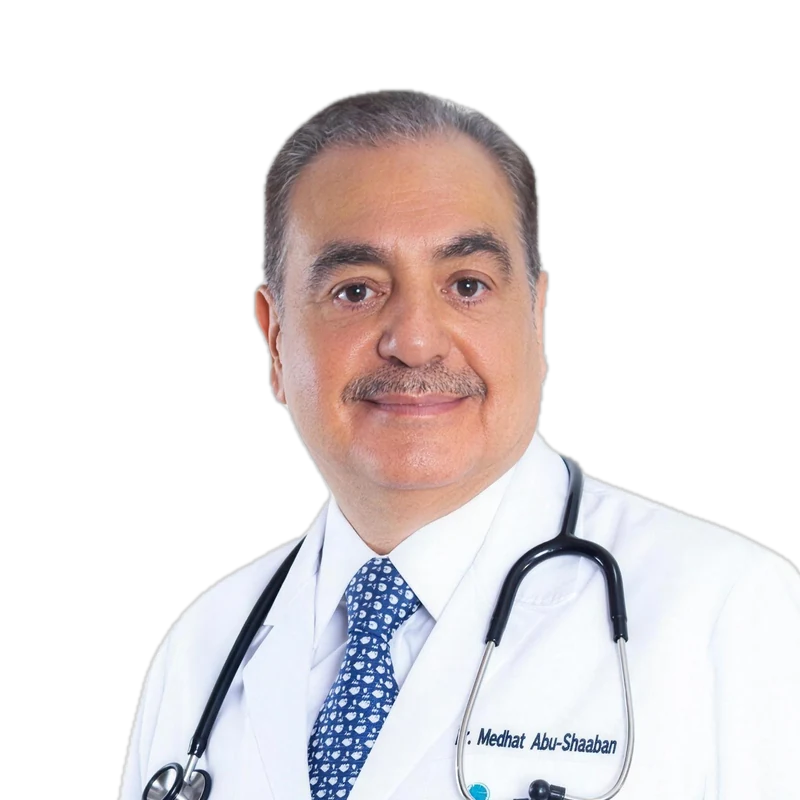
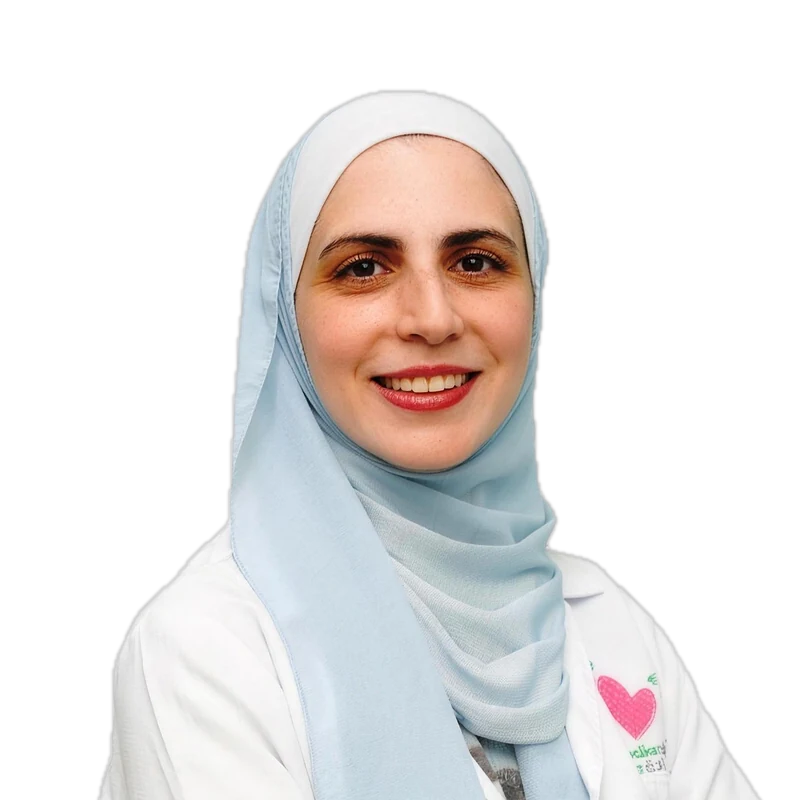
Dr. Medhat Abu-Shaaban, Consultant Pediatrician and Medical Director, and Dr. Tala Belbeissi, Consultant Pediatrician, see children with hives and other allergic skin and food reactions through our allergies and eczema service. We examine your child, take the history of what happened, explain the likely cause and, where needed, advise on tests or a referral and write a plan for what to do next time. Consultations at our clinic in Dubai Healthcare City are available in English and Arabic.
Frequently asked questions
Are hives contagious?
No. Hives themselves cannot be passed on. But if a virus caused them, the virus can spread, so the usual hygiene rules apply.
Can stress cause hives in children?
It is possible for stress to make hives worse in some children, but it is rarely the only cause. Look for other triggers too, and let the doctor assess your child.
Can hives come back?
Yes. Some children have one episode and never again, while others get hives with each infection. If they keep returning, see your pediatrician to look for a pattern.
Are hives a sign of food allergy?
They can be, but not always. Hives within minutes to two hours of a specific food are a reason to see the doctor. Hives from a viral illness have nothing to do with food, so avoid blaming the last meal without a pattern.
Can my child go to nursery with hives?
Yes, if your child feels well and there is no other illness. Hives are not catching. Keep your child home if they have a fever, are very unwell or if the cause is not yet clear.
To book, message us on WhatsApp at 052 218 1662 or call reception on 04 430 5926.
This guide is general information, not a diagnosis or advice about your own child. If something worries you, speak to a doctor.