

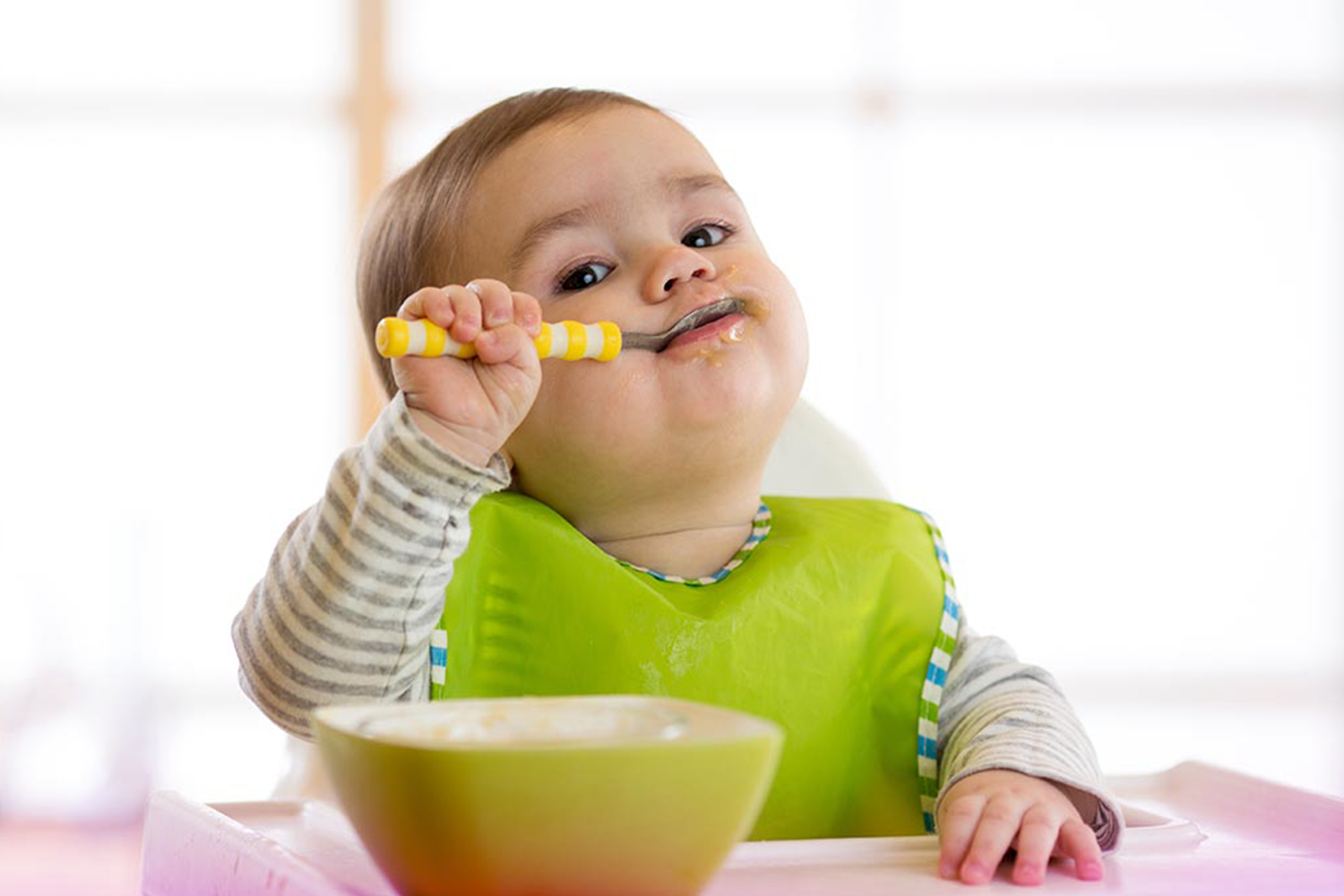
What is the Best Food Practice to Increase Weight in Kids?
When your child is underweight or struggling to gain weight, it can be a source of significant concern and anxiety. You may find yourself comparing your child to peers, worrying about their health, and wondering if you’re doing something wrong. These feelings are completely natural, and the good news is that with the right approach, most underweight children can achieve healthy weight gain.
At myPediaClinic in Dubai, we regularly work with families whose children need support with healthy weight gain. Our team of pediatricians and nutritionists understands that each child is unique, and effective strategies must be tailored to individual needs, preferences, and circumstances. This comprehensive guide provides evidence-based food practices and practical strategies to help your child gain weight in a healthy, sustainable way.
Understanding Healthy Weight in Children
Before diving into strategies for weight gain, it’s important to understand what constitutes healthy weight in children and when weight gain intervention is truly necessary. Not every thin child is underweight, and not every child who seems small needs to gain weight.
How Child Weight Is Assessed
Healthcare providers assess children’s weight using growth charts that track weight, height, and body mass index (BMI) over time. These charts show how a child’s measurements compare to other children of the same age and sex. Rather than focusing on a single measurement, patterns over time are most informative – consistent growth along a particular percentile curve is generally healthy, even if that curve is at the lower end.
A child is typically considered underweight if their BMI falls below the 5th percentile for their age and sex. However, some children are naturally small due to genetics, and their lower weight is entirely healthy. The key is whether the child is growing consistently, meeting developmental milestones, and showing no signs of nutritional deficiency or underlying health problems.
When Weight Gain Is Needed
Weight gain intervention may be recommended when a child’s growth has fallen off their established curve, when they’re below the 5th percentile and there’s no genetic explanation, when there are signs of nutritional deficiencies, or when an underlying medical condition is affecting growth. Your pediatrician at myPediaClinic can assess whether your child truly needs to gain weight and rule out any medical causes of poor weight gain.
It’s also important to recognize that some children naturally have higher metabolisms and may be thin despite eating well. If your child is active, healthy, developing normally, and growing consistently (even at the lower percentiles), they may not need weight gain intervention at all. Never try to force weight gain on a child who is healthy and growing appropriately.
Potential Causes of Underweight
Understanding why a child is underweight helps guide the appropriate approach. Common causes include inadequate caloric intake (sometimes due to picky eating or poor appetite), increased energy expenditure from high activity levels, malabsorption conditions that prevent proper nutrient absorption, chronic illnesses that affect appetite or increase caloric needs, psychological factors such as stress or disordered eating patterns, and simply genetic predisposition to a smaller frame.
Medical evaluation is important to identify any underlying conditions that might be contributing to poor weight gain. Once medical causes are ruled out or addressed, nutritional strategies become the primary focus for healthy weight gain.
Fundamental Principles of Healthy Weight Gain in Children
Before exploring specific food strategies, it’s essential to understand the core principles that guide healthy weight gain in children. These principles ensure that weight gain is achieved in a way that supports overall health and establishes good long-term eating habits.
Focus on Nutrient-Dense, Calorie-Rich Foods
The goal of healthy weight gain is not simply to add calories but to provide calories along with essential nutrients. Empty calories from sugary foods and beverages may contribute to weight gain but don’t support healthy development and can establish poor eating habits. Instead, focus on foods that are both calorie-dense and nutritionally valuable.
Nutrient-dense, calorie-rich foods include healthy fats like avocados, nuts, nut butters, olive oil, and fatty fish; whole dairy products like whole milk, cheese, and full-fat yogurt; protein sources like eggs, meats, legumes, and fish; and complex carbohydrates like whole grains, starchy vegetables, and legumes. These foods provide the building blocks for healthy growth while adding beneficial calories.
Increase Calorie Intake Without Increasing Volume Dramatically
Children who are underweight often have small appetites. Trying to get them to eat significantly larger portions can be counterproductive, leading to stress around mealtimes and food refusal. A more effective approach is to increase the caloric density of foods without drastically increasing the volume they need to consume.
This means adding calories to foods your child already eats – for example, adding butter to vegetables, using whole milk instead of water in recipes, sprinkling cheese on foods, or mixing nut butter into oatmeal. These simple additions significantly increase calorie content without requiring your child to eat much more food.
Maintain a Positive Eating Environment
Stress and pressure around eating can actually decrease food intake and create negative associations with meals. Maintaining a pleasant, low-pressure eating environment is crucial for encouraging healthy eating and weight gain. Family meals, where everyone eats together in a relaxed atmosphere, support healthy eating habits and food intake.
Avoid forcing children to clean their plates, using food as reward or punishment, or expressing excessive worry about their eating in front of them. Trust that your child knows their hunger and fullness cues, while providing ample opportunities to eat nutritious, calorie-rich foods.
Calorie-Dense Foods for Healthy Weight Gain
Incorporating calorie-dense, nutritious foods into your child’s diet is the most effective way to support healthy weight gain. Here are the best food categories and specific options to include.
Healthy Fats
Fats are the most calorie-dense macronutrient, providing 9 calories per gram compared to 4 calories per gram for carbohydrates and proteins. Including healthy fats in your child’s diet is one of the most efficient ways to increase caloric intake.
Avocados are an excellent option, providing healthy monounsaturated fats along with fiber, vitamins, and minerals. They can be mashed into guacamole, spread on toast, added to smoothies, or simply served sliced. Nuts and nut butters are another calorie-dense option – a tablespoon of peanut butter contains about 95 calories. Spread nut butter on bread, apple slices, or celery; add it to smoothies or oatmeal; or offer nuts as a snack (for children old enough to safely eat them).
Olive oil and other healthy cooking oils can be drizzled on vegetables, added to pasta, or used in cooking to boost caloric content. Fatty fish like salmon, sardines, and mackerel provide healthy omega-3 fats essential for brain development along with calories and protein. Coconut products like coconut milk and coconut oil are also calorie-dense options that work well in smoothies, curries, and baked goods.
Dairy Products
Full-fat dairy products are excellent for supporting weight gain in children who tolerate dairy. Whole milk is a simple switch that adds calories compared to reduced-fat options – a cup of whole milk contains about 150 calories compared to about 90 calories in skim milk. Cheese is both calorie-dense and rich in protein and calcium. Add cheese to scrambled eggs, pasta, vegetables, or sandwiches, or offer it as a snack with crackers.
Full-fat yogurt, especially Greek yogurt, provides calories along with protein and probiotics for gut health. Choose plain yogurt and add fresh fruit and a drizzle of honey for natural sweetness, or mix in nut butter for extra calories. Ice cream, while a treat rather than a dietary staple, can be an enjoyable way to add calories, especially when made with whole milk and real ingredients.
Protein-Rich Foods
Adequate protein is essential for healthy growth and muscle development. Protein-rich foods also tend to be calorie-dense and provide sustained energy. Eggs are an excellent, versatile source of protein and healthy fats. Serve them scrambled, boiled, poached, or incorporated into dishes like frittatas and fried rice.
Meats including beef, chicken, lamb, and pork provide high-quality protein along with iron, zinc, and B vitamins. Choose fattier cuts when possible for additional calories, and prepare meats in ways your child enjoys. Fish and seafood offer protein along with omega-3 fatty acids important for brain development.
Legumes like beans, lentils, and chickpeas are excellent plant-based protein sources that also provide fiber and complex carbohydrates. They work well in soups, stews, curries, and spreads like hummus. Tofu and other soy products are versatile protein options that absorb flavors from the dishes they’re cooked in.
Complex Carbohydrates
Carbohydrates provide energy and, when chosen wisely, also contribute valuable nutrients. Complex carbohydrates from whole grains and starchy vegetables provide sustained energy and fiber, supporting overall health while contributing to caloric intake.
Whole grains like oats, brown rice, quinoa, and whole wheat bread provide more nutrients than refined grains while still offering ample calories. Starchy vegetables including potatoes, sweet potatoes, corn, and peas are calorie-dense and kid-friendly. Roast potatoes with olive oil, mash sweet potatoes with butter, or add corn to various dishes to boost calorie content.
Pasta is typically well-accepted by children and can be made more nutritious with whole grain varieties and calorie-dense sauces featuring olive oil, cheese, or cream. Dried fruits like raisins, dates, apricots, and figs are concentrated sources of calories and nutrients that work well as snacks or additions to oatmeal, yogurt, and baked goods.
Practical Strategies for Increasing Caloric Intake
Beyond choosing calorie-dense foods, how you offer and prepare food can significantly impact your child’s caloric intake. These practical strategies help maximize nutrition without creating stress around eating.
Fortifying Foods
Food fortification involves adding calorie-dense ingredients to everyday foods to increase their caloric content without significantly changing their taste or volume. This is particularly helpful for children with small appetites who can’t eat large portions.
Add butter or olive oil to vegetables, rice, pasta, and other dishes. Mix dry milk powder into milk, smoothies, mashed potatoes, or baked goods to boost calories and protein without adding volume. Stir nut butter into oatmeal, yogurt, or smoothies. Add cheese to anything appropriate – eggs, pasta, vegetables, soups, sandwiches. Use whole milk or cream instead of water in recipes for oatmeal, mashed potatoes, soups, and baked goods.
Mix avocado into smoothies for extra calories and creaminess without significantly changing the flavor. Add ground flaxseed or chia seeds to smoothies, yogurt, or baked goods. Use cream cheese or ricotta as spreads or dips for extra calories.
Strategic Snacking
Snacks can contribute significantly to daily caloric intake, especially for children who don’t eat large meals. Offer two to three nutritious snacks between meals, timed so they don’t interfere with appetite for main meals – usually at least 1.5 to 2 hours before the next meal.
Good high-calorie snack options include cheese and crackers, nut butter on apple slices or celery, trail mix with nuts and dried fruit (for children old enough for nuts), full-fat yogurt with fruit and granola, avocado toast, hummus with pita or vegetables, smoothies made with whole milk or yogurt, and homemade muffins or energy balls made with nutritious ingredients.
Having snacks readily available and visible makes children more likely to eat them. Keep healthy, calorie-dense snacks at child-height in the refrigerator and pantry.
Nutritious Beverages
Beverages can contribute calories without filling up the stomach as much as solid food. Offering calorie-dense beverages between or with meals can boost caloric intake.
Smoothies are an excellent way to pack in calories from multiple sources. Blend whole milk or full-fat yogurt with fruits, nut butter, avocado, and even vegetables for a nutritious, calorie-dense drink. Whole milk itself provides calories, protein, fat, and calcium. Homemade milkshakes made with whole milk, ice cream, and add-ins like peanut butter or banana can be an enjoyable way to increase calories.
Avoid filling up on low-calorie beverages like water or juice close to mealtimes, which can reduce appetite for more nutritious foods. Offer water between meals but provide calorie-containing beverages with or alongside meals and snacks.
Meal Planning and Preparation
Thoughtful meal planning ensures that calorie-dense, nutritious options are consistently available. Plan meals and snacks for the week, shop accordingly, and prep ingredients in advance to make healthy eating as convenient as possible.
Include a source of protein, a healthy fat, and a complex carbohydrate at most meals. Cook larger batches of nutritious foods so they’re available for quick meals and snacks. Keep frozen options like homemade muffins, pancakes, or energy balls on hand for busy times.
Involve your child in meal planning and preparation when possible. Children who participate in choosing and preparing food are often more interested in eating it. Age-appropriate tasks like washing vegetables, stirring ingredients, or assembling sandwiches give children ownership over their food.
Addressing Picky Eating
Picky eating is extremely common in childhood and can significantly impact weight gain efforts. Addressing picky eating requires patience, strategy, and often professional support from specialists at myPediaClinic.
Understanding Picky Eating
Picky eating is developmentally normal, especially in toddlers and preschoolers. Children at this age are developing autonomy and may assert independence through food choices. They’re also naturally cautious about new foods – an evolutionary adaptation that once protected young humans from eating harmful substances.
Understanding that picky eating is normal can help reduce parental anxiety and the pressure that can worsen food refusal. Most children expand their food preferences over time with continued exposure and positive experiences around food.
Strategies for Expanding Food Acceptance
Continue offering a variety of foods, including those your child has previously rejected. Research suggests that children may need 10-15 exposures to a new food before accepting it. Present new foods without pressure or expectation, alongside familiar favorites.
Make new foods less intimidating by presenting them in appealing ways, involving the child in preparation, or pairing them with dips or sauces the child likes. Start with tiny portions of new foods so the child doesn’t feel overwhelmed.
Model enjoying a variety of foods yourself. Children learn about food by watching adults, so demonstrate enthusiasm for the foods you want your child to eat. Eat meals together as a family when possible, and avoid making separate meals for picky eaters – offer the same foods to everyone, with at least one item you know your child will eat.
What to Avoid
Certain approaches can worsen picky eating and create negative associations with food. Avoid forcing children to clean their plates or eat specific foods. Pressure increases resistance and can lead to long-term negative attitudes toward eating. Don’t use dessert or treats as rewards for eating other foods, which elevates the desirability of treats and demonizes healthy foods.
Avoid labeling your child as a “picky eater” in front of them, as children may live up to the labels they’re given. Don’t make separate meals just for your picky eater – include at least one accepted food with family meals, but don’t become a short-order cook. Resist expressing frustration or anxiety about eating in front of your child, as your emotional state affects theirs.
When to Seek Professional Help
While some picky eating is normal, severe food restriction, sensory issues around food, or picky eating that’s affecting growth or nutrition warrants professional evaluation. Signs that indicate a need for help include eating fewer than 20 different foods, extreme reactions to certain textures or appearances of food, weight loss or failure to gain weight, nutritional deficiencies, and significant family stress around mealtimes.
The team at myPediaClinic can evaluate your child’s eating patterns, rule out underlying medical issues, and refer to feeding specialists if needed. Early intervention for feeding difficulties typically leads to better outcomes.
Creating Optimal Conditions for Eating
The environment and context in which eating occurs significantly impacts how much children eat. Optimizing conditions for eating can naturally increase food intake without pressure.
Family Meals
Eating together as a family is associated with numerous benefits, including better nutrition. Children who regularly share meals with their families tend to eat more fruits, vegetables, and whole grains. The social aspect of family meals often encourages better eating.
Aim for at least one family meal per day, with everyone eating the same food (with adaptations as needed for allergies or developmental stages). Turn off screens and minimize distractions during meals. Keep conversation pleasant and avoid making food or eating the focus of discussion.
Establishing Meal and Snack Routines
Regular meal and snack times help regulate appetite and ensure adequate eating opportunities. Children thrive on routine, and knowing when meals and snacks will occur helps them develop appropriate hunger cues.
Plan for three meals and two to three snacks daily, spaced appropriately so hunger builds between eating occasions without children becoming overly hungry. Avoid grazing between meals, which can blunt appetite for more nutritious options.
Portion Sizes and Presentation
Serving appropriate portion sizes prevents children from feeling overwhelmed by large amounts of food. Start with small portions and offer more if the child is still hungry. This approach is less intimidating than a heaping plate and gives the child agency in requesting more.
Presentation can also impact food acceptance. Use colorful plates and cups, cut foods into fun shapes when practical, and arrange plates in appealing ways. While elaborate presentations aren’t necessary, making food visually appealing can increase interest and consumption.
Managing Mealtime Behavior
Keep mealtimes calm and positive. Set reasonable expectations for behavior and duration, recognizing that young children have limited attention spans. Most children shouldn’t be expected to sit at the table for more than 20-30 minutes.
Avoid negotiations, bargaining, or bribing around food. State expectations clearly and follow through consistently. If a child refuses to eat, calmly remove the plate and wait until the next scheduled eating occasion – hunger is the best appetite stimulator.
Sample Meal and Snack Ideas for Weight Gain
Putting these principles into practice, here are specific meal and snack ideas that support healthy weight gain in children.
Breakfast Ideas
Oatmeal made with whole milk, topped with sliced banana, nut butter, and a drizzle of honey provides complex carbohydrates, healthy fats, and protein. Scrambled eggs with cheese served with avocado toast on whole grain bread offers protein and healthy fats. Full-fat Greek yogurt parfait with layers of granola, berries, and a drizzle of maple syrup is both nutritious and appealing. Whole grain pancakes or waffles topped with butter, fruit, and real maple syrup provide energy to start the day. A smoothie made with whole milk, banana, peanut butter, and a handful of spinach (hidden by the other flavors) offers a calorie-dense, nutrient-rich option.
Lunch Ideas
Grilled cheese sandwich on whole grain bread with tomato soup (made with whole milk for extra calories) combines protein, fat, and comfort. Pasta with meat sauce enriched with vegetables and topped with parmesan cheese provides balanced nutrition. Tuna or egg salad made with mayonnaise, served in a whole grain pita or with crackers, offers protein and healthy fats. Cheese quesadillas with beans and guacamole on the side make a calorie-dense, kid-friendly meal. A lunchbox with cheese cubes, whole grain crackers, sliced deli meat, nuts or trail mix, and fresh fruit provides variety and nutrition.
Dinner Ideas
Baked salmon with mashed potatoes (made with butter and cream) and roasted broccoli with olive oil provides omega-3s and calories. Chicken stir-fry with vegetables in a peanut sauce over rice offers protein and appealing flavors. Beef or lamb curry made with coconut milk, served over rice, provides protein and healthy fats. Pasta with homemade alfredo sauce and grilled chicken is calorie-dense and often well-accepted. Homemade pizza on whole grain crust with cheese, vegetables, and meat toppings allows for customization while ensuring nutrition.
Snack Ideas
Cheese sticks or cubes with whole grain crackers provide protein and fat. Apple slices with peanut or almond butter offer fiber and healthy fats. Full-fat yogurt with granola and berries provides probiotics and calories. Hummus with pita bread and vegetable sticks combines protein and fiber. Trail mix with nuts, seeds, and dried fruit is calorie-dense and portable (for older children). Homemade banana bread or muffins made with nutritious ingredients offer a sweet but nourishing option. Avocado on toast or crackers provides healthy fats and fiber.
Working with Healthcare Professionals
While dietary changes can often support healthy weight gain, working with healthcare professionals ensures appropriate strategies and rules out underlying issues.
The Role of Your Pediatrician
Your pediatrician monitors your child’s growth and can identify when weight gain support is truly needed. Regular growth tracking at myPediaClinic puts current measurements in context of your child’s growth history and family patterns. If weight gain is needed, your pediatrician can assess for underlying medical conditions, provide dietary guidance or referral to a nutritionist, and monitor progress over time.
When to Consult a Pediatric Nutritionist
A pediatric nutritionist specializes in children’s dietary needs and can provide detailed, personalized guidance for healthy weight gain. Consider consulting a nutritionist if your child needs to gain a significant amount of weight, if dietary changes aren’t leading to expected improvement, if your child has food allergies or intolerances that complicate meal planning, if picky eating is severe and affecting nutrition, or if you need help developing specific meal plans and strategies.
At myPediaClinic, our nutritionists work closely with our pediatricians to provide comprehensive support for children with weight gain needs.
Addressing Underlying Issues
If weight gain efforts aren’t succeeding despite appropriate dietary strategies, further evaluation may be needed. Conditions like celiac disease, food allergies, thyroid disorders, and gastrointestinal issues can all affect weight gain. Behavioral and psychological factors may also play a role in some cases.
Our team takes a holistic approach, considering all factors that might be affecting your child’s weight and addressing underlying issues as part of a comprehensive treatment plan.
Growth Expectations and Patience
Healthy weight gain takes time, and having realistic expectations helps families stay motivated and avoid unnecessary worry.
What to Expect
Children don’t gain weight in a linear fashion – growth spurts and plateaus are normal. After implementing dietary changes, it may take several weeks to see noticeable changes in weight. The goal is steady progress over time, not dramatic rapid gain.
Healthy weight gain for underweight children is generally about 1-2 pounds per month for younger children, and slightly more for older children. More rapid gain isn’t necessarily better and could indicate unhealthy eating patterns.
Monitoring Progress
Regular check-ins with your pediatrician allow for monitoring of weight gain and adjustment of strategies as needed. Growth chart tracking puts weight gain in context and shows whether your child is moving toward a healthier trajectory.
Beyond the scale, other signs of nutritional improvement include better energy levels, improved mood and concentration, healthier hair and skin, and overall thriving and well-being. These indicators sometimes improve before weight changes are visible.
Staying the Course
Dietary changes require consistency to be effective. Continue implementing healthy eating strategies even when progress seems slow. Avoid the temptation to give up or to push too hard – both can be counterproductive.
Celebrate small victories and improvements in eating behavior, not just weight gain. A child who’s trying new foods, eating meals more willingly, or showing less stress around eating is making progress even if the scale doesn’t immediately reflect it.
Frequently Asked Questions About Child Weight Gain
How can I tell if my child is underweight?
Your pediatrician uses growth charts to assess whether your child is underweight. A child is typically considered underweight if their BMI falls below the 5th percentile for their age. However, consistent growth along lower percentiles may be normal if it matches family patterns. Regular checkups at myPediaClinic allow for proper growth monitoring and determination of whether intervention is needed.
What are the best calorie-dense foods for underweight children?
The best calorie-dense foods for underweight children include healthy fats like avocados, nuts, nut butters, and olive oil; full-fat dairy products like whole milk, cheese, and yogurt; protein sources like eggs, meats, and legumes; and complex carbohydrates like whole grains and starchy vegetables. Focus on foods that provide calories along with essential nutrients rather than empty calories from sugary foods.
My child has a small appetite. How can I increase their calorie intake?
For children with small appetites, focus on increasing caloric density rather than portion size. Add butter or olive oil to foods, use whole milk in cooking, stir nut butter into oatmeal or yogurt, and offer calorie-dense snacks between meals. Smoothies can pack many calories into an easy-to-consume drink. Avoid filling up on low-calorie beverages before meals, and keep mealtimes stress-free to encourage eating.
How do I deal with picky eating while trying to help my child gain weight?
Work with accepted foods first by making them more calorie-dense – add butter to favorite vegetables, use cheese on accepted foods, or mix nut butter into tolerated items. Continue offering new foods without pressure alongside familiar ones. Keep mealtimes positive and avoid battles. If picky eating is severe, consult with specialists at myPediaClinic who can provide targeted strategies and rule out underlying issues like sensory processing difficulties.
Should I give my underweight child supplements or meal replacement drinks?
Whole foods should be the primary source of nutrition whenever possible. However, in some cases, supplements or medical nutritional products may be recommended by your pediatrician or nutritionist. These might include multivitamins if dietary intake is limited, or meal replacement shakes for children who struggle to consume adequate calories from food. Always consult with your healthcare provider before starting supplements.
How long does it take for an underweight child to reach a healthy weight?
The timeline for healthy weight gain varies depending on how underweight the child is and how well dietary changes are implemented. Generally, you can expect to see progress within a few months, with healthy weight gain averaging about 1-2 pounds per month. Complete catch-up growth may take six months to a year or more. Patience and consistency are key, and regular monitoring with your pediatrician tracks progress.
Is it okay to give my underweight child junk food to help them gain weight?
While occasional treats are fine, relying on junk food for weight gain is not recommended. These foods provide calories but lack essential nutrients needed for healthy growth and development. They can also establish poor eating habits and preferences. Focus instead on nutrient-dense, calorie-rich foods like avocados, nut butters, full-fat dairy, and healthy proteins that support overall health while providing needed calories.
When should I consult a doctor about my child’s weight?
Consult your pediatrician if your child’s growth is falling off their established growth curve, if they’re losing weight or not gaining weight as expected, if they show signs of nutritional deficiency (fatigue, frequent illness, brittle hair or nails), if eating difficulties are severe or causing significant family stress, or if dietary changes aren’t leading to improvement after several months. Regular well-child visits allow for ongoing growth monitoring.
Support Your Child’s Healthy Growth with myPediaClinic
Helping an underweight child achieve healthy weight gain requires patience, appropriate strategies, and often professional support. By focusing on nutrient-dense, calorie-rich foods, creating positive eating environments, addressing picky eating thoughtfully, and working with healthcare professionals, most children can achieve and maintain healthy weight.
Remember that every child is different, and what works for one may not work for another. The strategies in this guide provide a foundation, but personalized guidance tailored to your child’s specific needs, preferences, and circumstances is often the most effective approach.
At myPediaClinic, our team of pediatricians and nutritionists specializes in supporting children’s healthy growth and development. We provide comprehensive evaluation to understand your child’s unique situation, personalized dietary recommendations, ongoing monitoring and support, and expert guidance for addressing picky eating and other feeding challenges.
Schedule a consultation at myPediaClinic today. Whether you’re concerned about your child’s weight, struggling with picky eating, or simply want guidance on optimal nutrition, our team is here to help. Contact us to book an appointment and take the first step toward supporting your child’s healthy growth and well-being.