

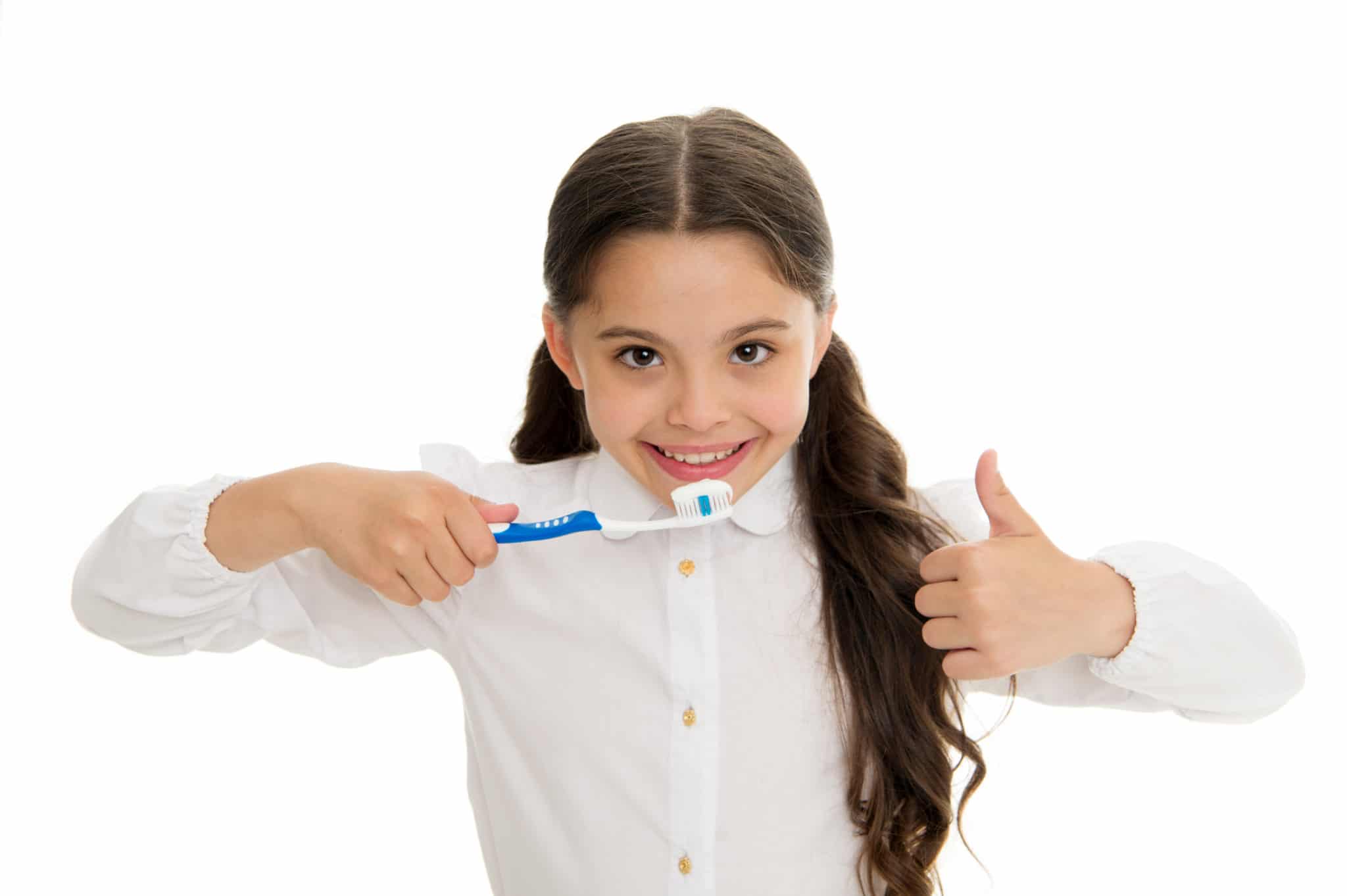
What Are 5 Good Oral Habits for Kids?
Establishing excellent oral habits during childhood is one of the most valuable gifts parents can give their children. The foundation of lifelong dental health begins in the earliest years, and the habits formed during childhood often persist well into adulthood. At myPediaClinic in Dubai, our pediatric dental specialists understand that teaching children proper oral care requires patience, consistency, and age-appropriate guidance. Good oral habits not only prevent cavities and gum disease but also contribute to overall health, proper speech development, and self-confidence. In this comprehensive guide, we will explore the five essential oral habits every child should develop, providing detailed strategies for parents to implement these practices effectively in their daily routines.
Understanding the Importance of Early Oral Care
Before diving into the specific habits, it is crucial to understand why early oral care matters so profoundly for children’s development. The mouth serves as the gateway to the body, and oral health is intrinsically connected to overall physical health. Poor oral hygiene in childhood can lead to a cascade of problems, including tooth decay, pain, infections, difficulty eating, speech problems, and even issues with permanent teeth development. Research has consistently shown that children who develop good oral habits early in life are significantly more likely to maintain excellent dental health throughout their lives.
At myPediaClinic, we emphasize that oral health education should begin even before the first tooth emerges. Parents can start by gently cleaning their infant’s gums with a soft, damp cloth after feedings. This simple practice not only removes bacteria but also acclimates the baby to the sensation of oral care, making the transition to brushing much smoother when teeth begin to appear.
The Connection Between Oral Health and Overall Wellness
Scientific research has established clear links between oral health and systemic health conditions. Bacteria from the mouth can enter the bloodstream through inflamed gums, potentially affecting the heart, lungs, and other organs. In children, poor oral health has been associated with nutritional deficiencies (due to difficulty eating), sleep disturbances, behavioral issues, and impaired academic performance. Children suffering from dental pain often have difficulty concentrating in school and may miss valuable learning time due to dental appointments or illness.
Furthermore, baby teeth, though temporary, play essential roles in jaw development, proper spacing for permanent teeth, and speech formation. Losing baby teeth prematurely due to decay can lead to orthodontic problems that require costly interventions later in life. By establishing good oral habits early, parents can help their children avoid these complications while setting them up for a lifetime of healthy smiles.
Habit 1: Proper Brushing Technique and Consistency
The cornerstone of good oral hygiene is proper brushing, yet many children (and adults) do not brush correctly or consistently. Teaching children the right brushing technique from an early age ensures that this fundamental habit becomes second nature. At myPediaClinic, our pediatric dentists recommend starting brushing as soon as the first tooth appears, typically around six months of age.
Age-Appropriate Brushing Guidelines
For infants and toddlers up to age three, parents should brush their child’s teeth using a soft-bristled, age-appropriate toothbrush with a rice-grain-sized smear of fluoride toothpaste. At this stage, the parent does all the brushing while the child observes and becomes accustomed to the routine. Making brushing time fun through songs, games, or allowing the child to hold a second toothbrush can increase cooperation.
Children aged three to six should use a pea-sized amount of fluoride toothpaste. While they can begin to participate in brushing, parents must supervise and follow up to ensure all surfaces are cleaned properly. Most children lack the manual dexterity to brush effectively on their own until around age six or seven. During this period, parents can teach the proper technique while allowing children to practice independently before finishing the job themselves.
For children six and older, independence in brushing can gradually increase, but periodic supervision remains important. Parents should occasionally watch their child brush to ensure proper technique is maintained and that no areas are being consistently missed.
The Correct Brushing Technique
The recommended brushing technique for children involves holding the toothbrush at a 45-degree angle to the gums and using gentle, short back-and-forth strokes. Children should brush the outer surfaces, inner surfaces, and chewing surfaces of all teeth. Special attention should be given to the back molars, which are often neglected but highly susceptible to decay. The brushing session should last at least two minutes, covering all areas of the mouth thoroughly.
Many parents find that using a timer, playing a two-minute song, or using a toothbrush with a built-in timer helps children brush for the full recommended duration. Electric toothbrushes designed for children can also be effective, as they provide consistent motion and often include features that encourage proper brushing habits.
Establishing a Consistent Routine
Consistency is key to making brushing a lifelong habit. Children should brush twice daily—once in the morning and once before bed. The bedtime brushing is particularly important because saliva production decreases during sleep, reducing the mouth’s natural defense against bacteria. Establishing a consistent routine around brushing helps children internalize the habit. Brushing at the same times each day, as part of a broader morning and evening routine, reinforces the behavior until it becomes automatic.
Habit 2: Daily Flossing for Complete Oral Care
While brushing is essential, it cannot reach the tight spaces between teeth where food particles and bacteria accumulate. Flossing complements brushing by cleaning these interdental areas, preventing cavities from forming between teeth and reducing the risk of gum disease. Despite its importance, flossing is often overlooked in children’s oral care routines.
When to Start Flossing
Flossing should begin as soon as a child has two teeth that touch each other. For most children, this occurs sometime between ages two and six. Initially, parents will need to floss their child’s teeth, as the manual dexterity required for effective flossing typically does not develop until around age eight to ten. However, introducing flossing early helps children understand its importance and become comfortable with the sensation.
Flossing Techniques for Children
Traditional string floss can be challenging for both parents and children to use effectively. Floss picks or holders designed for children can make the process easier and more appealing. These devices allow better access to back teeth and are easier for small hands to manipulate. Water flossers are another option that some children prefer, though they should be used in addition to, rather than as a replacement for, traditional flossing in most cases.
When teaching children to floss, demonstrate the proper technique: wrap the floss around the middle fingers, hold it taut between thumbs and index fingers, and gently guide it between teeth using a back-and-forth motion. Curve the floss around each tooth in a C-shape and move it up and down against the tooth surface, going slightly below the gum line. Use a clean section of floss for each tooth to avoid spreading bacteria.
Making Flossing a Daily Habit
Incorporating flossing into the daily routine requires persistence and positive reinforcement. Flossing once daily, typically before the bedtime brushing, is sufficient for maintaining good interdental hygiene. Parents can make flossing more appealing by allowing children to choose flavored floss or colorful floss picks. Celebrating successful flossing with praise or small rewards can also encourage compliance until the habit becomes established.
Habit 3: Maintaining a Tooth-Friendly Diet
What children eat and drink has a profound impact on their dental health. A tooth-friendly diet provides the nutrients needed for strong teeth and healthy gums while limiting substances that promote decay. Understanding the relationship between diet and oral health empowers parents to make informed choices about their children’s nutrition.
Foods That Promote Dental Health
Calcium-rich foods are essential for developing strong teeth and bones. Dairy products such as milk, cheese, and yogurt are excellent sources of calcium. For children who cannot consume dairy, alternatives like fortified plant milks, leafy greens, and calcium-fortified foods can help meet nutritional needs. Cheese is particularly beneficial as it stimulates saliva production and contains casein, a protein that strengthens tooth enamel.
Crunchy fruits and vegetables, such as apples, carrots, and celery, act as natural toothbrushes, helping to clean teeth and stimulate gums. These foods also increase saliva production, which neutralizes acids and washes away food particles. Leafy greens provide vitamins and minerals that support gum health, while nuts offer healthy fats and minerals beneficial for teeth.
Foods rich in phosphorus, such as eggs, fish, and lean meats, work alongside calcium to protect and rebuild tooth enamel. Vitamin C-rich foods support gum health by strengthening blood vessels and reducing inflammation. Including a variety of whole, unprocessed foods in children’s diets ensures they receive the nutrients necessary for optimal oral health.
Foods and Drinks to Limit
Sugary foods and beverages are the primary dietary culprits in tooth decay. When bacteria in the mouth metabolize sugar, they produce acids that attack tooth enamel, leading to cavities. The frequency of sugar consumption matters as much as the amount—frequent snacking on sugary foods exposes teeth to repeated acid attacks throughout the day.
Candies, cookies, cakes, and sweetened cereals should be consumed in moderation and ideally as part of meals rather than as standalone snacks. Sticky candies and dried fruits are particularly problematic as they cling to teeth, prolonging acid exposure. Sugary beverages, including sodas, fruit juices, and sports drinks, bathe teeth in sugar and acid, making them especially harmful to dental health.
Acidic foods and drinks, even those without added sugar, can erode tooth enamel over time. Citrus fruits, tomatoes, and vinegar-based foods should be consumed as part of meals rather than alone, and children should rinse their mouths with water afterward. Carbonated beverages, regardless of sugar content, are acidic and can weaken enamel with frequent consumption.
Smart Snacking Strategies
Timing and context of food consumption affect dental health outcomes. Having children eat sweets with meals rather than as separate snacks reduces acid attacks. Encouraging water as the primary beverage protects teeth while keeping children hydrated. If children do consume sugary or acidic foods, rinsing with water or eating a piece of cheese afterward can help neutralize acids and protect teeth.
Parents at myPediaClinic often ask about healthy snack alternatives. Excellent options include fresh vegetables with hummus, cheese cubes, plain yogurt with fresh fruit, nuts (for children old enough to safely consume them), and whole-grain crackers. These choices satisfy hunger while supporting dental health.
Habit 4: Regular Dental Check-ups and Professional Care
Even with excellent home care, regular visits to a pediatric dentist are essential for maintaining optimal oral health. Professional dental care provides preventive treatments, early detection of problems, and personalized guidance that cannot be replicated at home. The myPediaClinic team recommends establishing a dental home for children by their first birthday or within six months of the first tooth appearing.
The Importance of Early Dental Visits
Many parents wonder why young children need dental visits when they have few or no teeth. Early dental visits serve multiple purposes beyond examination and cleaning. They allow the dentist to assess oral development, identify potential problems early, and provide age-appropriate preventive care. Perhaps most importantly, early visits help children become comfortable in the dental environment, reducing anxiety about future appointments.
During the first dental visit, the dentist examines the child’s teeth, gums, jaw, and bite. They assess cavity risk, check for signs of thumb-sucking damage or tongue thrust, and evaluate fluoride needs. Parents receive guidance on proper brushing and flossing techniques, diet recommendations, and information about developmental milestones to expect.
What Happens During Regular Check-ups
Routine dental check-ups typically occur every six months, though some children may need more frequent visits based on their individual risk factors. During these appointments, the dental team performs professional cleaning to remove plaque and tartar that regular brushing cannot eliminate. They examine teeth for signs of decay, check gum health, and assess the development of the jaw and bite.
Preventive treatments such as fluoride applications strengthen tooth enamel and help prevent cavities. Dental sealants, thin protective coatings applied to the chewing surfaces of back teeth, are highly effective in preventing decay in the grooves and pits where bacteria commonly accumulate. X-rays may be taken periodically to detect cavities between teeth and monitor jaw development.
Building Positive Dental Experiences
Creating positive associations with dental visits helps children maintain good oral health habits throughout their lives. Parents can prepare children for dental appointments by reading books about going to the dentist, playing pretend dentist games, and speaking positively about their own dental experiences. Avoiding language that might create fear, such as “pain,” “hurt,” or “shot,” helps prevent anxiety.
Pediatric dental offices, including myPediaClinic, are designed with children in mind, featuring child-friendly decor, entertainment options, and staff trained in working with young patients. These environments help children feel comfortable and can transform dental visits from dreaded events into positive experiences.
Habit 5: Protecting Teeth from Injury and Harmful Habits
The fifth essential oral habit involves protecting teeth from physical damage and avoiding habits that can harm dental development. Children are active and curious, making their teeth vulnerable to injury. Additionally, certain common childhood habits can negatively impact oral health if not addressed appropriately.
Preventing Dental Injuries
Dental injuries are common in childhood, particularly among active children who participate in sports or physical activities. Wearing a properly fitted mouthguard during contact sports and activities with fall risk significantly reduces the chance of dental trauma. Custom-fitted mouthguards from a dentist provide the best protection, though over-the-counter options are better than no protection.
Childproofing the home environment reduces the risk of falls and accidents that can damage teeth. Teaching children not to use their teeth as tools—to open packages, crack nuts, or bite non-food objects—prevents chips and fractures. When dental injuries do occur, knowing how to respond quickly can make the difference between saving and losing a tooth.
Addressing Harmful Oral Habits
Certain habits common in childhood can negatively affect dental development if they persist beyond appropriate ages. Thumb-sucking and pacifier use are natural self-soothing behaviors in infants and toddlers, but prolonged habits can affect jaw alignment and tooth positioning. Most children naturally outgrow these habits by age three or four, but intervention may be needed if they continue.
Tongue thrusting—pushing the tongue against or between the teeth when swallowing or at rest—can cause orthodontic problems over time. Mouth breathing, often caused by allergies or enlarged adenoids, can lead to improper jaw development and bite issues. Parents who notice these habits persisting should consult with their pediatric dentist or physician at myPediaClinic for appropriate guidance and intervention strategies.
Nail Biting and Teeth Grinding
Nail biting is a common habit that can chip teeth, spread bacteria to the mouth, and cause jaw problems from the repetitive motion. Addressing the underlying causes of nail biting, which often include stress or boredom, can help children overcome this habit. Keeping nails trimmed short and using positive reinforcement for periods without biting are effective strategies.
Teeth grinding, or bruxism, affects many children, particularly during sleep. While many children outgrow grinding, persistent bruxism can wear down tooth enamel, cause jaw pain, and lead to headaches. If parents notice signs of teeth grinding, such as worn teeth, jaw pain, or grinding sounds during sleep, they should discuss this with their dentist. Night guards may be recommended for children with significant grinding problems.
Creating a Comprehensive Oral Care Routine
Successfully implementing all five oral habits requires creating a comprehensive, sustainable routine that fits naturally into family life. The key is consistency, positive reinforcement, and age-appropriate expectations. Parents should model good oral hygiene themselves, as children learn most effectively by observing the adults in their lives.
Sample Daily Oral Care Schedule
A practical daily routine might include morning brushing after breakfast, followed by rinsing with water after any snacks throughout the day. In the evening, flossing comes first to remove debris from between teeth, followed by a thorough two-minute brushing session. Ending the day with nothing but water after brushing ensures teeth remain clean throughout the night.
Weekly tasks might include inspecting and replacing toothbrushes as needed (every three to four months or when bristles become frayed), reviewing dietary choices, and reinforcing proper techniques. Regular dental check-ups every six months complete the comprehensive approach to children’s oral health.
Motivating Children to Maintain Good Habits
Making oral care fun and rewarding helps children stay motivated. Sticker charts, small rewards for consistent brushing and flossing, and choosing their own toothbrush and toothpaste flavors give children ownership over their oral health. Family brushing time, where everyone brushes together, normalizes the routine and provides opportunities for parents to model proper technique.
Educational resources, including books, videos, and apps about dental health, can reinforce the importance of oral care in age-appropriate ways. Many children respond well to understanding why habits matter, so explaining how brushing fights “sugar bugs” or how healthy foods make teeth strong can be effective motivators.
Common Challenges and Solutions
Parents often face challenges in establishing and maintaining children’s oral care routines. Understanding common obstacles and having strategies to address them increases the likelihood of success.
Resistance to Brushing
Many children go through phases of resisting brushing, often during toddlerhood when asserting independence becomes important. Strategies to overcome resistance include offering choices (which toothbrush color, which toothpaste flavor), making brushing a game, using distraction with songs or videos, and maintaining consistency despite protests. Forcing brushing should be avoided, as negative experiences can create lasting aversion.
Forgetting or Skipping Routines
Busy schedules and changes in routine can lead to skipped oral care sessions. Visual reminders, such as charts in the bathroom, help children remember. Linking oral care to other established routines—brushing immediately after breakfast, for example—creates automatic cues. When sessions are missed, avoiding guilt and simply resuming the routine at the next scheduled time prevents negative associations.
Managing Sugar Cravings
Children naturally gravitate toward sweet foods, making dietary management challenging. Gradual reduction of sugar in the diet, offering naturally sweet alternatives like fruit, and reserving treats for special occasions help manage cravings without deprivation. Teaching children about how sugar affects teeth empowers them to make better choices as they grow older.
Long-Term Benefits of Good Oral Habits
The investment parents make in establishing good oral habits during childhood pays dividends throughout their children’s lives. Adults who developed good oral care habits as children have significantly lower rates of cavities, gum disease, and tooth loss. They also tend to have better overall health, as the oral-systemic health connection affects everything from heart health to diabetes management.
Beyond physical health, good oral habits contribute to confidence and quality of life. A healthy, attractive smile supports self-esteem during the socially sensitive adolescent years and into adulthood. The financial benefits are also substantial, as preventive care costs a fraction of restorative treatments for advanced dental problems.
When to Seek Professional Help
While good home care prevents most dental problems, certain signs warrant prompt professional attention. Parents should contact their pediatric dentist at myPediaClinic if they notice white or brown spots on teeth (early signs of decay), red, swollen, or bleeding gums, persistent bad breath, tooth pain or sensitivity, difficulty eating or speaking, or any injury to the teeth or mouth.
Early intervention prevents small problems from becoming major issues, preserving dental health and minimizing the need for extensive treatments.
Frequently Asked Questions About Oral Habits for Kids
At what age should children start brushing their own teeth?
Children can begin participating in brushing around age three, but they typically lack the manual dexterity to brush effectively on their own until age six to eight. Parents should supervise and assist with brushing until children consistently demonstrate proper technique and thoroughness. Even after children can brush independently, periodic checks ensure they maintain good habits.
How much toothpaste should children use?
For children under three years old, use a smear of fluoride toothpaste about the size of a grain of rice. Children aged three to six should use a pea-sized amount. Using the correct amount ensures children receive the benefits of fluoride while minimizing the risk of fluorosis from swallowing excess toothpaste. Teaching children to spit rather than swallow after brushing is important once they are old enough.
Is it necessary for children to floss baby teeth?
Yes, flossing is important for baby teeth once any two teeth touch each other. Baby teeth are susceptible to decay between teeth just like permanent teeth, and cavities in baby teeth can cause pain, infection, and problems with permanent tooth development. Establishing the flossing habit during childhood also makes it more likely children will continue flossing throughout their lives.
How often should children visit the dentist?
Most children should visit the dentist every six months for check-ups and professional cleanings. However, some children with higher cavity risk or specific dental conditions may need more frequent visits. The first dental visit should occur by age one or within six months of the first tooth appearing. Regular visits allow for early detection of problems and preventive care that keeps teeth healthy.
What should I do if my child refuses to brush their teeth?
When children resist brushing, try making it fun with songs, games, or colorful toothbrushes. Offer choices about toothpaste flavor or brush color to give them some control. Brush together as a family to model the behavior. Maintain consistency in the routine even when met with resistance. Avoid forcing or creating negative associations. If resistance persists, consult your pediatric dentist for additional strategies tailored to your child.
Are electric toothbrushes better for children?
Electric toothbrushes can be effective for children, as they provide consistent brushing motion and often include features like timers and fun designs that encourage proper brushing. However, a manual toothbrush used correctly is equally effective. The best toothbrush is one your child will use properly and consistently. If an electric toothbrush makes brushing more appealing, it can be an excellent choice.
How can I help my child stop thumb-sucking?
Most children stop thumb-sucking naturally by age three or four. If the habit persists, positive reinforcement for not sucking, identifying and addressing triggers, and gentle reminders work better than punishment or shaming. Covering the thumb with a bandage or bitter-tasting nail polish can serve as reminders. If the habit continues past age four and is affecting dental development, consult your pediatric dentist for additional intervention options.
What snacks are best for children’s dental health?
The best snacks for dental health include cheese, plain yogurt, fresh vegetables, nuts (for children old enough to safely eat them), and whole-grain crackers. Crunchy fruits and vegetables like apples and carrots help clean teeth naturally. Avoid sticky, sugary snacks and encourage water as the primary beverage. If children do eat sweets, having them as part of a meal rather than as a standalone snack reduces acid attacks on teeth.
Conclusion: Building a Foundation for Lifelong Dental Health
The five good oral habits for kids—proper brushing, daily flossing, a tooth-friendly diet, regular dental visits, and protecting teeth from injury and harmful habits—form the foundation for lifelong dental health. While establishing these habits requires effort and consistency, the benefits far outweigh the investment. Children who develop excellent oral care routines early in life carry these practices into adulthood, enjoying healthier teeth, fewer dental problems, and better overall health throughout their lives.
Parents play the central role in teaching and reinforcing these habits, modeling good behavior, and creating positive associations with oral care. With patience, creativity, and persistence, every family can successfully integrate comprehensive oral care into their daily routines.
Schedule Your Child’s Dental Visit at myPediaClinic Today
At myPediaClinic in Dubai, our pediatric dental specialists are dedicated to helping children develop excellent oral health habits that last a lifetime. Whether your child needs their first dental check-up, preventive care, or treatment for an existing condition, our child-friendly environment and experienced team ensure positive dental experiences.
Do not wait until problems develop—schedule your child’s dental appointment today. Contact myPediaClinic to learn more about our pediatric dental services and how we can partner with you in building your child’s healthy smile. Early intervention and consistent care are the keys to dental health, and we are here to support your family every step of the way.