
Is It True That Braces Weaken The Teeth?
When parents in Dubai consider orthodontic treatment for their children, one of the most common concerns they express is whether braces will weaken their child’s teeth. This myth has persisted for decades, causing unnecessary worry among families who want to give their children the gift of a beautiful, healthy smile. At myPediaClinic, our pediatric dental specialists understand these concerns and are committed to providing accurate information that empowers parents to make informed decisions about their children’s orthodontic care.
The short answer to whether braces weaken teeth is no, they do not. When properly applied and maintained, braces are a safe and effective orthodontic treatment that can improve both the appearance and function of your child’s teeth. However, understanding why this myth persists and how braces actually work is essential for parents considering orthodontic treatment for their children.
In this comprehensive guide, we will explore the science behind orthodontic treatment, debunk common myths about braces, discuss potential risks and how to mitigate them, and provide practical tips for maintaining strong, healthy teeth throughout the orthodontic journey. Whether your child is about to get braces, currently wearing them, or you are simply researching options for the future, this article will give you the knowledge you need to feel confident about orthodontic treatment.
Understanding How Braces Work
To understand why braces do not weaken teeth, it is essential to first understand how they work. Braces apply gentle, consistent pressure to teeth over time, gradually moving them into their desired positions. This process relies on the natural ability of the bone surrounding teeth to remodel in response to pressure.
The Science of Tooth Movement
Teeth are not directly attached to the jawbone. Instead, they are held in place by a network of fibers called the periodontal ligament, which connects the tooth root to the surrounding bone. When braces apply pressure to a tooth, the periodontal ligament on one side is compressed while the ligament on the other side is stretched.
This pressure triggers a biological response. On the compressed side, specialized cells called osteoclasts break down bone tissue, creating space for the tooth to move. On the stretched side, cells called osteoblasts build new bone tissue to fill the gap left behind. This process of bone resorption and formation is called bone remodeling, and it is a natural, healthy process that allows teeth to move safely.
At myPediaClinic, our orthodontic specialists carefully calibrate the amount of pressure applied by braces to ensure that tooth movement occurs at a safe, controlled rate. Too much pressure can cause discomfort and potentially damage teeth or roots, while too little pressure will not produce effective movement. Finding the right balance is key to successful orthodontic treatment.
Types of Braces and How They Apply Pressure
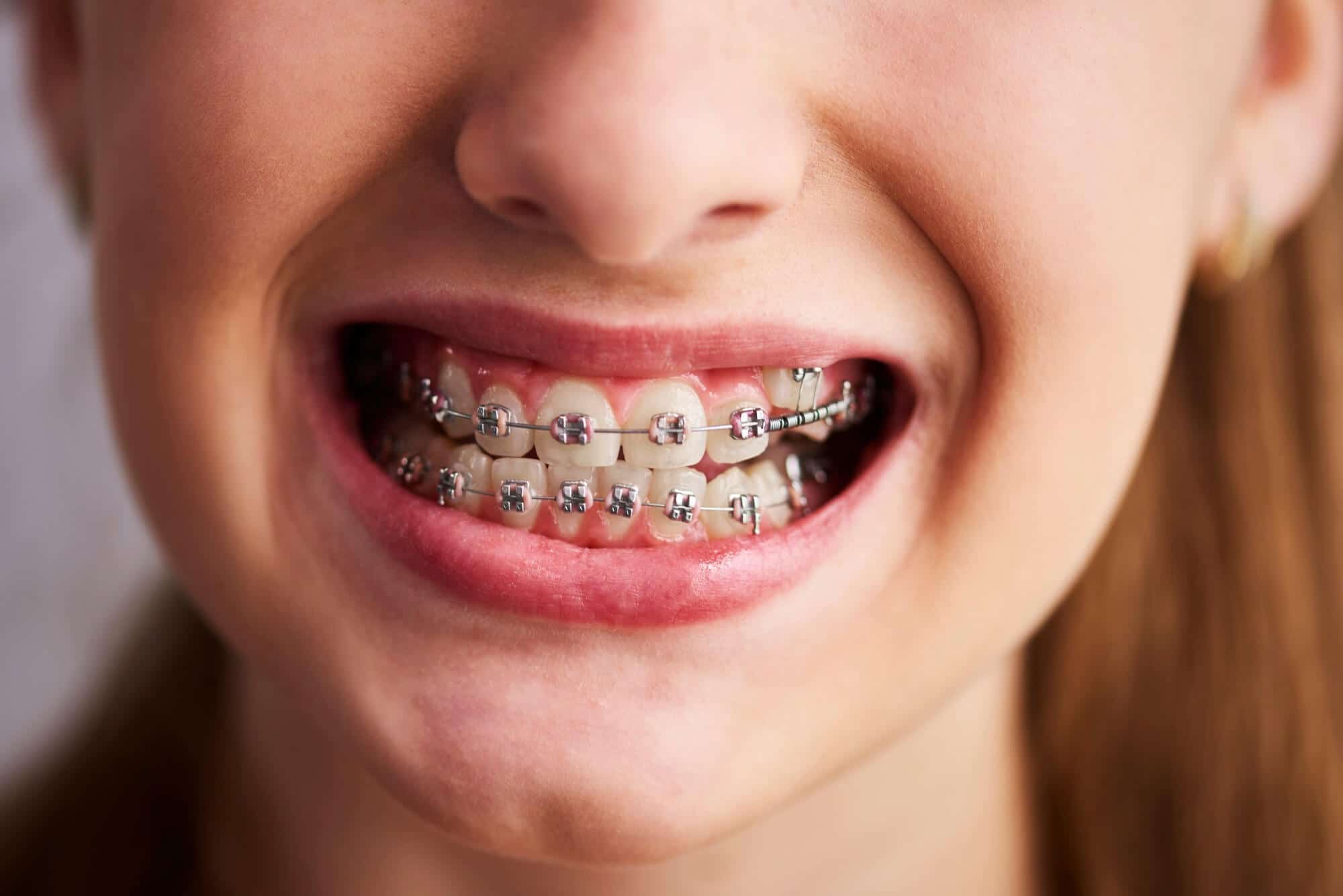
Several types of braces are available, each using different mechanisms to apply pressure to teeth. Traditional metal braces use brackets bonded to the teeth and connected by archwires that guide tooth movement. Ceramic braces work similarly but use tooth-colored or clear brackets for a less noticeable appearance. Lingual braces are attached to the back surfaces of teeth, making them invisible from the front.
Clear aligners, such as Invisalign, use a series of custom-made plastic trays that gradually shift teeth into position. Each type of braces has its advantages and is suitable for different orthodontic needs. Our team at myPediaClinic can help determine the best option for your child based on their specific situation.
Debunking the Myth: Why People Think Braces Weaken Teeth
The belief that braces weaken teeth likely stems from several sources, including misunderstandings about the treatment process, observations of problems that can occur during treatment, and confusion between correlation and causation. Let us examine each of these factors to understand why this myth persists.
Temporary Sensitivity During Treatment
It is normal for teeth to feel sensitive or slightly loose during orthodontic treatment. This occurs because the periodontal ligaments are actively remodeling in response to the pressure from braces. Some parents interpret this temporary looseness as a sign that teeth are being weakened, but it is actually a normal and expected part of the treatment process.
Once treatment is complete and braces are removed, teeth will stabilize in their new positions. The bone will fully reform around the teeth, and any temporary looseness will resolve. Retainers are worn after braces to help maintain tooth positions while the bone completes its remodeling process.
Dental Problems During Treatment
Some patients do experience dental problems during orthodontic treatment, such as cavities, gum disease, or enamel damage. However, these problems are not caused by the braces themselves weakening teeth. Instead, they typically result from inadequate oral hygiene during treatment.
Braces create additional surfaces where food particles and plaque can accumulate, making thorough brushing and flossing more challenging. When oral hygiene is neglected, bacteria can attack tooth enamel and gum tissue, leading to cavities and gum disease. These issues can create the appearance that braces have damaged teeth, when in fact, the damage was caused by poor hygiene practices.
Root Resorption Concerns
One legitimate concern associated with orthodontic treatment is root resorption, a condition where the roots of teeth become slightly shorter during treatment. Some degree of root resorption occurs in most orthodontic patients, but it is usually minimal and does not affect tooth function or stability.
In rare cases, more significant root resorption can occur, particularly when excessive forces are applied or treatment duration is very long. However, modern orthodontic techniques and regular monitoring help minimize this risk. At myPediaClinic, our orthodontists use evidence-based protocols and regularly assess root health through X-rays to ensure treatment progresses safely.
The Truth About Orthodontic Safety
Decades of research and clinical experience have demonstrated that orthodontic treatment is safe and effective when performed by qualified professionals. Far from weakening teeth, properly conducted orthodontic treatment can actually improve dental health in several ways.
Improved Alignment Supports Long-Term Health
Straight, properly aligned teeth are easier to clean and maintain than crooked or crowded teeth. When teeth overlap or are positioned at awkward angles, it becomes difficult to effectively brush and floss all surfaces. Food particles and plaque can accumulate in hard-to-reach areas, increasing the risk of cavities and gum disease.
By straightening teeth and improving alignment, braces make it easier to maintain good oral hygiene. This can actually strengthen dental health over the long term by reducing the risk of decay and periodontal disease. Many patients find that their teeth are healthier after completing orthodontic treatment than they were before.
Correcting Bite Problems Protects Teeth
Orthodontic treatment often addresses bite problems such as overbites, underbites, crossbites, and open bites. These malocclusions can cause teeth to wear unevenly, chip, or fracture due to improper distribution of biting forces. By correcting the bite, braces help ensure that forces are distributed evenly across all teeth, reducing wear and protecting teeth from damage.
Untreated bite problems can also contribute to temporomandibular joint (TMJ) disorders, which cause jaw pain, headaches, and difficulty chewing. Orthodontic correction of bite issues can alleviate these symptoms and improve overall oral function.
Professional Oversight Ensures Safety
When orthodontic treatment is provided by qualified professionals, patients receive regular monitoring throughout their treatment journey. At myPediaClinic, our pediatric orthodontists see patients every four to eight weeks to adjust braces, assess progress, and identify any potential problems early.
This regular oversight allows orthodontists to address concerns before they become significant issues. If signs of enamel damage, excessive root resorption, or other problems are detected, treatment can be modified to protect tooth health. This professional supervision is a key factor in the safety of modern orthodontic treatment.
Potential Risks of Braces and How to Prevent Them
While braces do not inherently weaken teeth, there are potential risks associated with orthodontic treatment that parents should be aware of. Understanding these risks and taking preventive measures can help ensure the best possible outcomes for your child.
Enamel Demineralization and White Spot Lesions
One of the most common problems seen during orthodontic treatment is enamel demineralization, which appears as white spot lesions on the teeth. This occurs when plaque accumulates around brackets and produces acid that breaks down tooth enamel. The white spots are areas where minerals have been lost from the enamel surface.
Prevention is key to avoiding white spot lesions. Thorough brushing after every meal, using fluoride toothpaste and rinses, and limiting sugary foods and drinks can significantly reduce the risk. Some orthodontists also apply protective sealants around brackets to create an additional barrier against acid attack.
Gum Disease and Inflammation
The presence of braces can make it more challenging to clean along the gumline, potentially leading to gingivitis (gum inflammation) or more serious periodontal disease. Symptoms include red, swollen, or bleeding gums.
Regular brushing along the gumline, daily flossing with special orthodontic flossers or water flossers, and professional cleanings during treatment can help prevent gum problems. At myPediaClinic, we work closely with patients to establish effective oral hygiene routines during orthodontic treatment.
Root Resorption
As mentioned earlier, some degree of root resorption is common during orthodontic treatment. While usually minimal and clinically insignificant, more severe resorption can occur in some cases. Risk factors include genetic predisposition, previous dental trauma, and treatment involving significant tooth movement.
Regular X-ray monitoring allows orthodontists to detect root resorption early and modify treatment if necessary. Using appropriate forces and avoiding unnecessarily prolonged treatment also helps minimize this risk.
Bracket and Wire Injuries
The metal components of braces can sometimes irritate the soft tissues of the mouth, causing sores or ulcers on the lips, cheeks, or tongue. While these injuries do not directly affect tooth strength, they can be uncomfortable and may make oral hygiene more difficult.
Orthodontic wax can be applied to brackets that are causing irritation. Most patients find that their mouths adapt to the braces over time, and initial irritation decreases. If wires are poking or causing significant discomfort, contact your orthodontist for adjustment.
Proper Care for Teeth with Braces
Maintaining excellent oral hygiene is the most important factor in preventing dental problems during orthodontic treatment. At myPediaClinic, we provide comprehensive guidance on caring for teeth with braces. Here are essential tips for keeping teeth strong and healthy throughout treatment.
Brushing Techniques for Braces
Brushing with braces requires more time and attention than brushing without them. We recommend brushing after every meal and snack, using a soft-bristled toothbrush and fluoride toothpaste. Start by brushing at a 45-degree angle toward the gumline, then brush the brackets and wires from above and below. Pay special attention to the areas around brackets where food particles tend to accumulate.
Electric toothbrushes with oscillating heads can be particularly effective for cleaning around braces. Interdental brushes, which are small brushes designed to fit between teeth and under wires, can help clean areas that regular toothbrushes cannot reach.
Flossing with Braces
Flossing is essential for removing plaque and food particles from between teeth and below the gumline. While flossing with braces can be challenging, several tools make it easier. Floss threaders allow regular floss to be passed under the archwire. Orthodontic flossers come pre-threaded and are designed for use with braces. Water flossers use a stream of water to clean between teeth and around brackets.
We recommend flossing at least once daily, preferably before bed. Taking the time to floss properly helps prevent cavities between teeth and keeps gums healthy.
Dietary Considerations
Certain foods can damage braces or increase the risk of dental problems. Hard foods such as nuts, hard candies, and ice can break brackets or bend wires. Sticky foods like caramel and taffy can pull brackets off teeth or get stuck in braces. Crunchy foods should be cut into small pieces rather than bitten into directly.
Sugary and acidic foods and drinks should be limited, as they increase the risk of enamel demineralization. When consuming these items, brushing afterward or at least rinsing with water can help minimize damage.
Regular Dental Check-ups
In addition to regular orthodontic appointments, patients with braces should continue to see their general or pediatric dentist for routine check-ups and professional cleanings. Professional cleanings remove plaque and tartar that may have accumulated around brackets despite diligent home care. Dentists can also detect early signs of cavities or gum disease and provide treatment before problems worsen.
What Happens After Braces Are Removed
The period after braces removal is critical for maintaining results and ensuring long-term tooth health. Understanding what to expect and following post-treatment guidelines helps protect your investment in orthodontic treatment.
Retention Phase
After braces are removed, patients enter the retention phase of treatment. Retainers are worn to hold teeth in their new positions while the bone and periodontal ligaments stabilize. Without retainers, teeth can gradually shift back toward their original positions, a phenomenon called orthodontic relapse.
Initially, retainers may need to be worn full-time (except while eating). Over time, wear can typically be reduced to nighttime only. Some patients may eventually be able to wear retainers just a few nights per week, while others may need to wear them every night indefinitely. Following your orthodontist’s retention recommendations is essential for maintaining your child’s beautiful new smile.
Teeth Stabilization
In the months following braces removal, the bone surrounding teeth continues to remodel and strengthen. Any temporary looseness felt during treatment resolves as the bone fully reforms. Most patients find that their teeth feel completely stable within a few months of completing treatment.
Long-Term Oral Health
Patients who complete orthodontic treatment and maintain good oral hygiene typically enjoy excellent long-term dental health. Straight teeth are easier to clean, reducing the risk of cavities and gum disease. A properly aligned bite distributes chewing forces evenly, reducing wear on individual teeth. Many patients find that their overall dental health improves after completing orthodontic treatment.
Choosing the Right Orthodontic Provider
The safety and success of orthodontic treatment depend largely on the skill and experience of the provider. Choosing a qualified orthodontic specialist helps ensure the best possible outcomes for your child.
Qualifications to Look For
Orthodontists are dental specialists who have completed additional years of training beyond dental school specifically in orthodontics. This specialized training provides in-depth knowledge of tooth movement, facial development, and treatment planning. When seeking orthodontic treatment for your child, look for a provider with proper credentials and experience treating pediatric patients.
Why Choose myPediaClinic
At myPediaClinic, we specialize in pediatric healthcare, including pediatric dentistry and orthodontics. Our team understands the unique needs of growing children and provides treatment in a child-friendly environment designed to put young patients at ease.
We use the latest orthodontic techniques and technologies to ensure safe, effective treatment. Our orthodontists are experienced in treating a wide range of orthodontic issues, from simple alignment corrections to complex bite problems. We work closely with each patient and their family to develop customized treatment plans that address individual needs and goals.
What to Expect at Your Consultation
During an orthodontic consultation at myPediaClinic, we conduct a comprehensive examination of your child’s teeth, jaws, and facial structure. This may include X-rays, photographs, and digital scans. Based on this evaluation, we discuss treatment options, expected duration, and any potential risks specific to your child’s situation.
We believe in fully informing parents about all aspects of treatment so they can make confident decisions about their child’s care. Our team is always available to answer questions and address concerns throughout the treatment process.
The Benefits of Orthodontic Treatment
Rather than weakening teeth, orthodontic treatment provides numerous benefits for dental health and overall well-being. Understanding these benefits can help parents appreciate the value of investing in their child’s smile.
Improved Oral Health
Straight, properly aligned teeth are easier to clean, reducing the risk of cavities and gum disease. A corrected bite prevents uneven wear and reduces the risk of tooth damage. These oral health benefits can last a lifetime with proper care.
Enhanced Confidence
A beautiful smile can significantly boost self-esteem and confidence. Children who are self-conscious about crooked or protruding teeth may avoid smiling or feel embarrassed in social situations. Orthodontic treatment can help them feel more comfortable and confident in their appearance.
Better Function
Properly aligned teeth and jaws function more efficiently for biting and chewing. Correcting bite problems can also improve speech and reduce strain on the jaw joints. Many patients find that eating and speaking become easier after completing orthodontic treatment.
Prevention of Future Problems
Addressing orthodontic issues during childhood can prevent more serious problems from developing later. Early intervention can guide jaw growth, create space for permanent teeth, and reduce the need for more extensive treatment in the future.
Frequently Asked Questions
Do braces permanently weaken teeth?
No, braces do not permanently weaken teeth. When orthodontic treatment is properly conducted by a qualified professional, teeth move through a natural process of bone remodeling that does not compromise tooth strength. Any temporary looseness felt during treatment resolves once braces are removed and teeth stabilize in their new positions. In fact, properly aligned teeth may be healthier long-term because they are easier to clean and experience more even distribution of biting forces.
Why do my teeth feel loose during orthodontic treatment?
Teeth may feel slightly loose during orthodontic treatment because the periodontal ligaments that hold teeth in place are actively remodeling. Braces apply pressure that causes bone to break down on one side of the tooth and rebuild on the other, allowing the tooth to move. This process temporarily increases tooth mobility, but it is completely normal and expected. Once treatment is complete and retainers are worn, bone reforms solidly around teeth and any looseness resolves.
Can braces damage tooth enamel?
Braces themselves do not damage tooth enamel. However, poor oral hygiene during treatment can lead to enamel demineralization, appearing as white spot lesions around brackets. This damage is caused by plaque acids, not by the braces. With proper brushing, flossing, and dietary habits, enamel can be protected throughout treatment. Fluoride products and protective sealants can provide additional protection. When brackets are removed, no enamel damage occurs if proper removal techniques are used.
What is root resorption and should I be concerned about it?
Root resorption is a condition where tooth roots become slightly shorter during orthodontic treatment. Some degree of resorption occurs in most orthodontic patients and is usually minimal (1-2mm) with no clinical significance. Teeth remain stable and functional despite this minor shortening. In rare cases, more significant resorption can occur, which is why orthodontists monitor root health through regular X-rays. Modern treatment techniques help minimize resorption risk, and treatment can be modified if concerning changes are detected.
How can I protect my teeth while wearing braces?
Protect your teeth during orthodontic treatment by brushing thoroughly after every meal with fluoride toothpaste, flossing daily using floss threaders or water flossers, avoiding hard, sticky, and sugary foods, attending all scheduled orthodontic appointments, continuing regular dental check-ups and cleanings, using fluoride rinse as recommended by your orthodontist, and wearing a mouthguard during sports activities. These practices help prevent cavities, gum disease, and enamel damage throughout treatment.
Are there any long-term effects of wearing braces?
The long-term effects of braces are overwhelmingly positive. Patients enjoy straighter teeth that are easier to clean, improved bite function, enhanced facial aesthetics, and better oral health. While minor root resorption may occur, it typically does not affect tooth function. The main risk of long-term issues comes from not wearing retainers as directed, which can allow teeth to shift back toward their original positions. With proper retention and oral hygiene, the benefits of orthodontic treatment last a lifetime.
At what age should children get braces?
The American Association of Orthodontists recommends that children have their first orthodontic evaluation by age 7. At this age, enough permanent teeth have erupted for an orthodontist to identify developing problems. Some children may benefit from early intervention (Phase I treatment) between ages 7-10, while others may be monitored and treated later when more permanent teeth have erupted. Full braces are typically placed between ages 11-14, but treatment timing varies based on individual development and needs.
What types of braces are available for children?
Several types of braces are available for children, including traditional metal braces (most common and cost-effective), ceramic braces (tooth-colored for less visibility), lingual braces (placed on the back of teeth), and clear aligners like Invisalign (removable plastic trays). The best option depends on the child’s specific orthodontic needs, age, maturity level, and aesthetic preferences. Metal braces remain the most popular choice for children due to their durability and effectiveness for a wide range of issues.
How long does orthodontic treatment typically take?
Orthodontic treatment duration varies depending on the complexity of the case, patient compliance, and individual biology. Most comprehensive treatments take 18-24 months, though simpler cases may be completed in 12 months and complex cases may require 30 months or more. Early intervention treatments are typically shorter, lasting 6-12 months. Your orthodontist can provide a more accurate estimate based on your child’s specific needs. Keeping all appointments and following instructions helps ensure treatment stays on schedule.
Will my child need to wear a retainer after braces?
Yes, wearing a retainer after braces is essential for maintaining results. Teeth have a natural tendency to shift back toward their original positions, especially in the months immediately following braces removal. Retainers hold teeth in place while bone and ligaments stabilize. Initially, retainers are typically worn full-time, then transitioned to nighttime wear. Many orthodontists recommend wearing retainers indefinitely at some frequency to prevent relapse. Both removable and fixed (bonded) retainers are options.
Conclusion: Braces Are Safe and Effective
The myth that braces weaken teeth has caused unnecessary concern for countless parents over the years. However, scientific evidence and decades of clinical experience clearly demonstrate that orthodontic treatment, when properly conducted, is safe and does not weaken teeth. In fact, the benefits of orthodontic treatment, including improved oral health, enhanced function, and increased confidence, far outweigh any minimal risks.
At myPediaClinic, we are committed to providing safe, effective orthodontic care for children throughout Dubai. Our experienced team uses the latest techniques and technologies to ensure optimal outcomes while protecting tooth health. We work closely with each family to develop customized treatment plans and provide comprehensive guidance on maintaining excellent oral hygiene during treatment.
If you have been hesitant to pursue orthodontic treatment for your child due to concerns about tooth weakening, we encourage you to schedule a consultation with our team. We can address your specific concerns, evaluate your child’s orthodontic needs, and provide the information you need to make a confident decision about treatment.
Your child deserves a healthy, beautiful smile that will serve them well throughout their life. With proper orthodontic care from qualified professionals, they can achieve that smile safely and effectively.
Ready to Give Your Child a Beautiful, Healthy Smile?
At myPediaClinic, our pediatric orthodontic specialists are dedicated to providing safe, effective treatment that delivers beautiful results without compromising tooth health. We understand parent concerns and take the time to explain every aspect of treatment.
Schedule a consultation at myPediaClinic today to learn how orthodontic treatment can benefit your child. Let us help your child achieve the confident, healthy smile they deserve!